

I’ve been OBSESSED with kombucha and the different Kombucha brands for like the past 8 years… that tangy fermented tea with all the probiotics has literally taken over my fridge (and budget lol). What started as this weird health drink you could only find at hippie co-ops has totally exploded into something you can grab at freaking gas stations now! wild.
After trying pretty much every brand i could get my hands on (my bank account is crying) and spending wayyy too many hours researching this stuff. I figured i’d put together this breakdown of all the major brands across the US and Canada. This covers who makes what, the flavors worth trying, trends in the market, and which ones are actually worth your $$$.
Fair warning – im super opinionated about this stuff. But i’ve done my homework AND my taste-testing so you dont have to!
Table of Contents
Kombucha Brands
Major Kombucha Brands (USA & Canada):
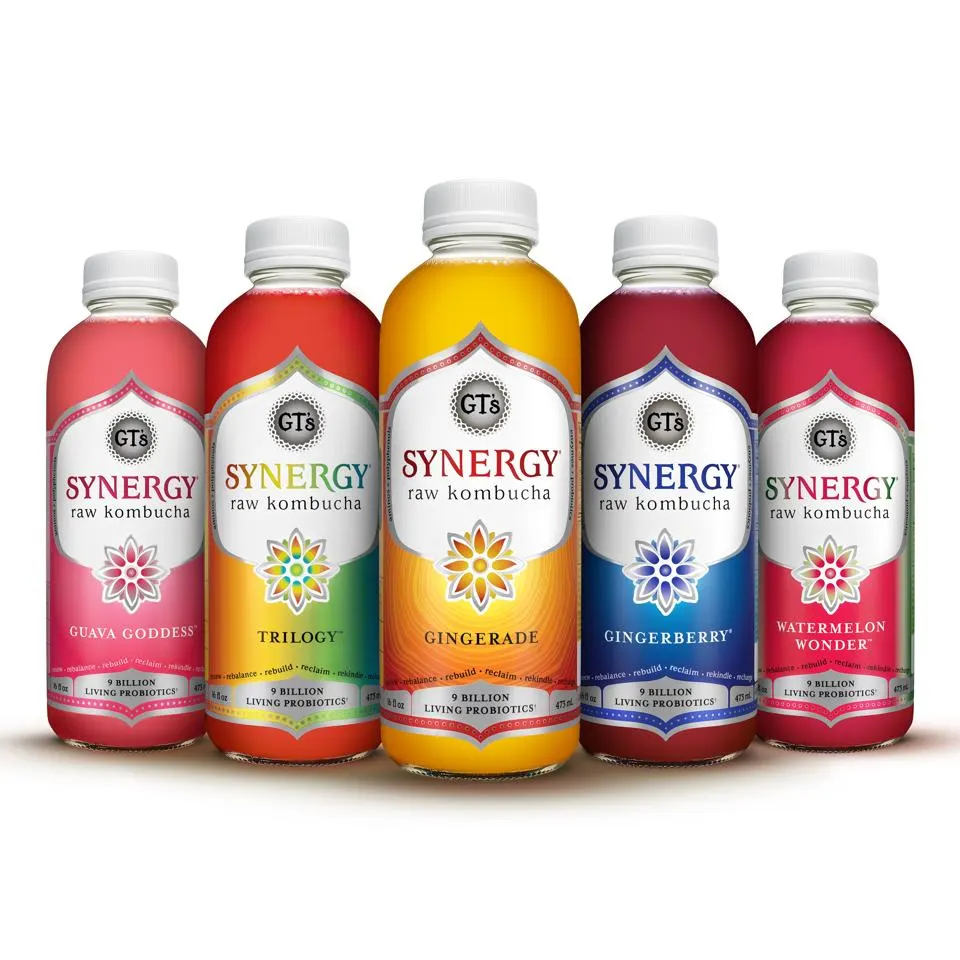
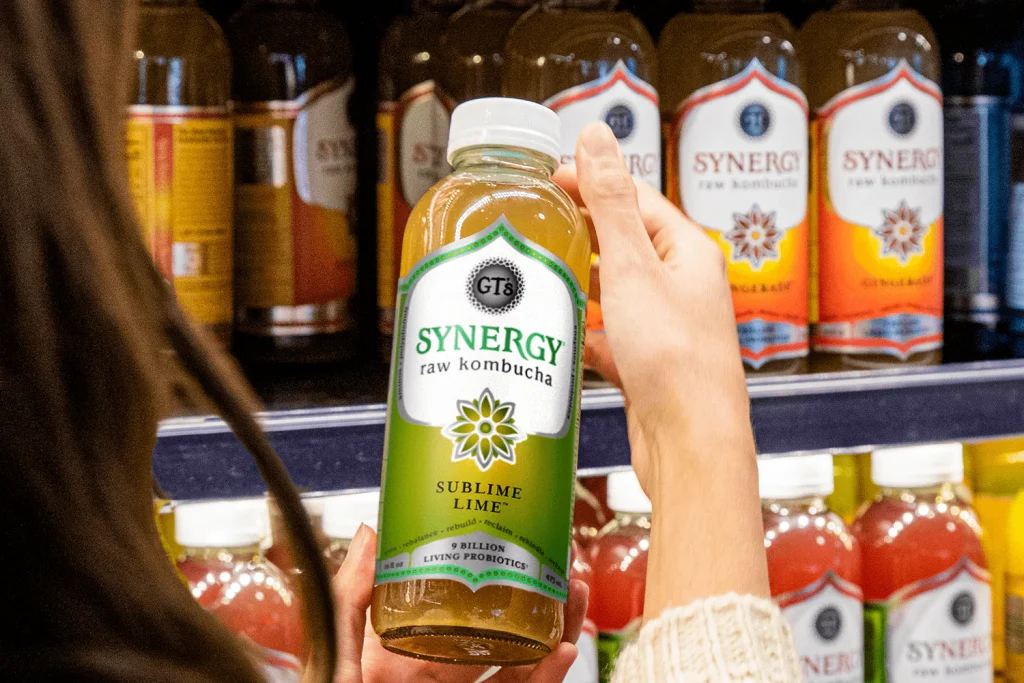
GT’s Living Foods (Synergy Kombucha) – Started in 1995 by GT Dave in LA. Production happens in Vernon CA.
Why they matter: GT’s basically INVENTED commercial kombucha in the states. Theyre all about raw, unpasteurized kombucha made in small batches. everything is organic, vegan, kosher, non-GMO… all the fancy certifications. Their SYNERGY line supposedly has 9 billion probiotics per bottle which is kinda insane. Still family-owned and not sold out to big corporations yet.
So GT’s was actually my gateway booch way back in 2012. I grabbed a bottle of Trilogy (the berry-ginger-lemon one) from whole foods cause the bottle looked cool. Honestly thought it tasted like someone had fermented fruit punch that had gone wrong?? But for some weird reason i bought another one the next day. And another. And now 10+ years later im still hooked. Trilogy is still my airport kombucha security blanket whenever im traveling… like if they have only one kombucha flavor at an airport kiosk, its gonna be GT’s Trilogy. Not their best flavor but reliable af.
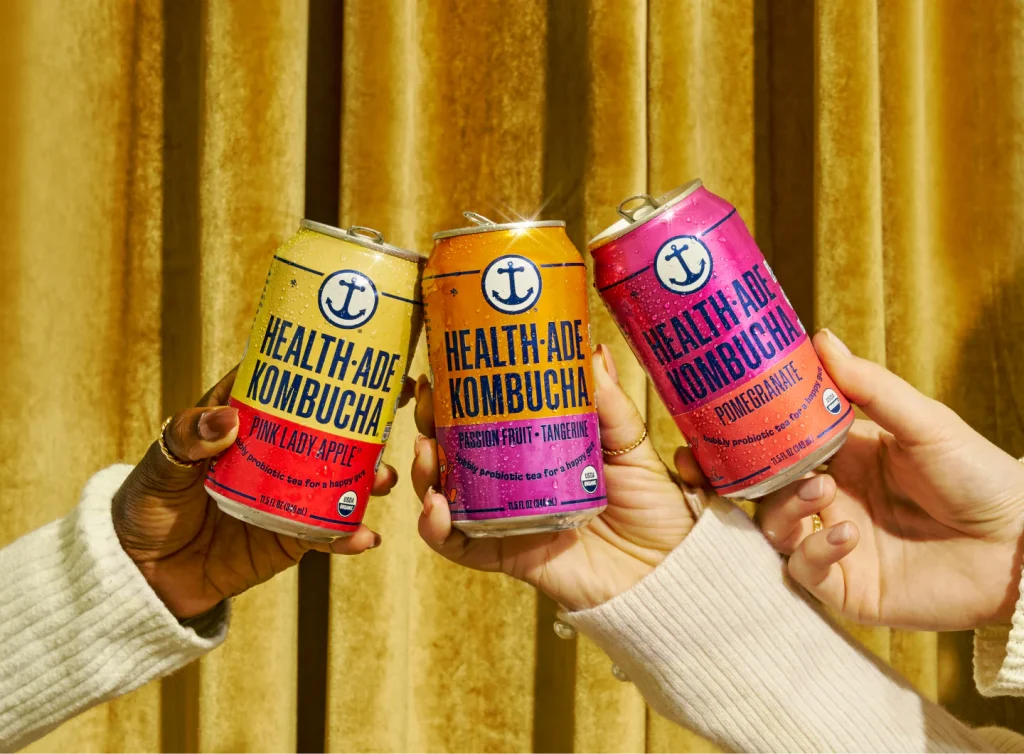
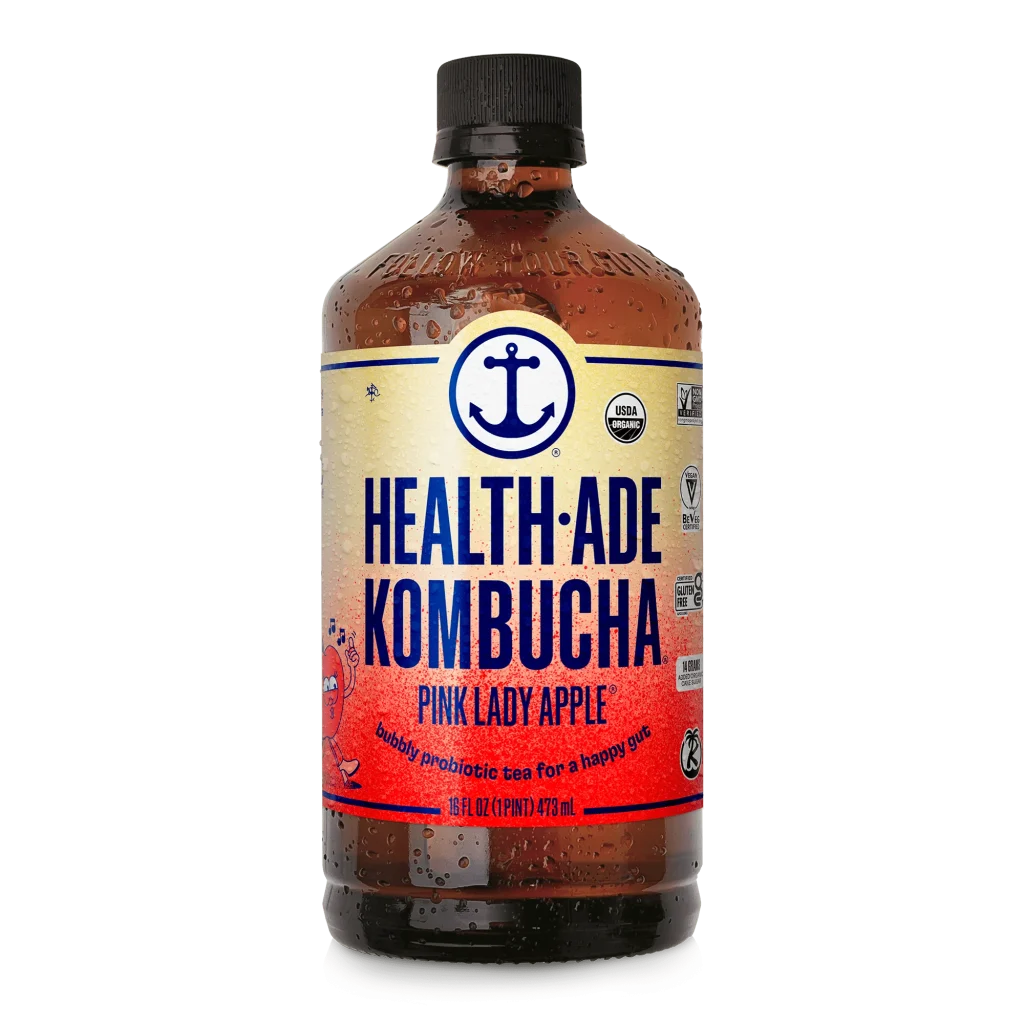
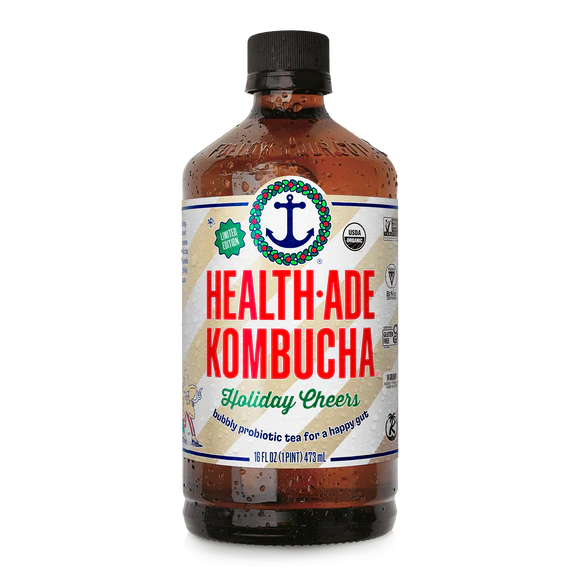
Health-Ade Kombucha – Started in 2012 in LA by 3 friends. They brew in Torrance, California.
What makes em special: They ferment in 2.5-gallon glass jars instead of huge industrial tanks, which is actually pretty unique for a company their size. They only use cold-pressed juices for flavors, nothing artificial. Everything is raw, naturally fizzy (not force-carbonated), and unpasteurized. Their brown apothecary bottles arent just for show – they protect the probiotics from light damage. They started at farmers markets before blowing up nationwide.
I actually met one of the founders at a farmers market back in like 2014 when they were still pretty small! Their Pink Lady Apple was the first kombucha that made me go “holy crap this is GOOD” not just “this is good for a healthy drink.” Chatted with her for like 30 mins about fermentation (i was such a nerd) and she actually gave me a free bottle cause i was so into it. Fast forward to now and my cousin who used to make fun of me for drinking “bacteria tea” buys Health-Ade at Target. How the tables have turned lmao.

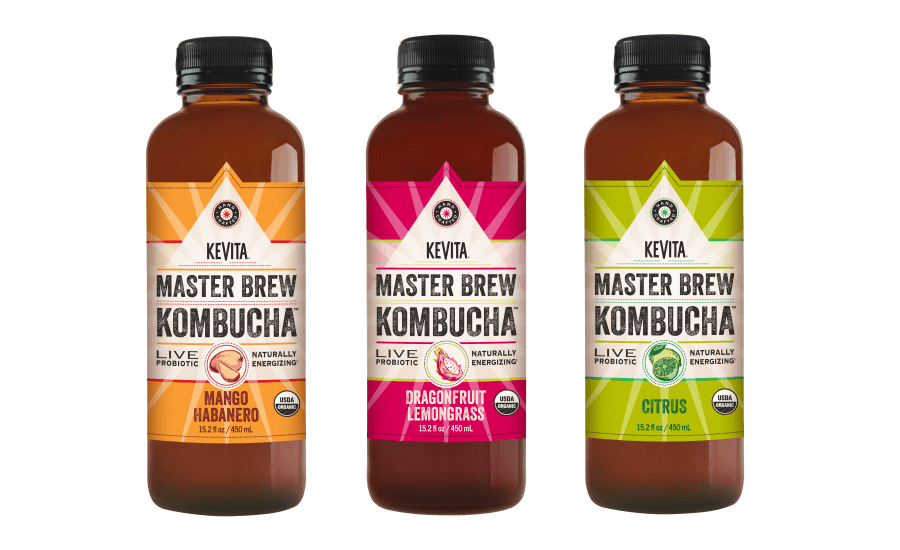
KeVita Master Brew Kombucha – Started 2009 in California, then Pepsi bought them in 2016. Still made in Oxnard, CA.
Their angle: They take a more controlled approach to making kombucha. They ferment with a SCOBY like traditional kombucha BUT then they pasteurize it (kills the original cultures) and add back specific probiotic strains for consistency. Each bottle has around 4 billion CFU of probiotics. This makes it more shelf-stable + guaranteed non-alcoholic. They filter the brew and add sparkling water to smooth out the taste. Still organic and non-GMO but the flavor is milder and they use plastic bottles unlike most kombuchas.
NGL, finding out Pepsi bought KeVita was a total bummer for me. I used to love supporting them when they were independent. Butttt i gotta admit their distribution is AMAZING now. Was at a gas station in the middle of nowhere Wyoming last summer and boom – there was KeVita in the cooler! It doesnt taste like real-deal kombucha to me tho… more like a watered down tea with probiotics added. My boyfriend who HATES the vinegar taste of most kombuchas loves KeVita tho, so i guess thats kinda the point. its like kombucha with training wheels.
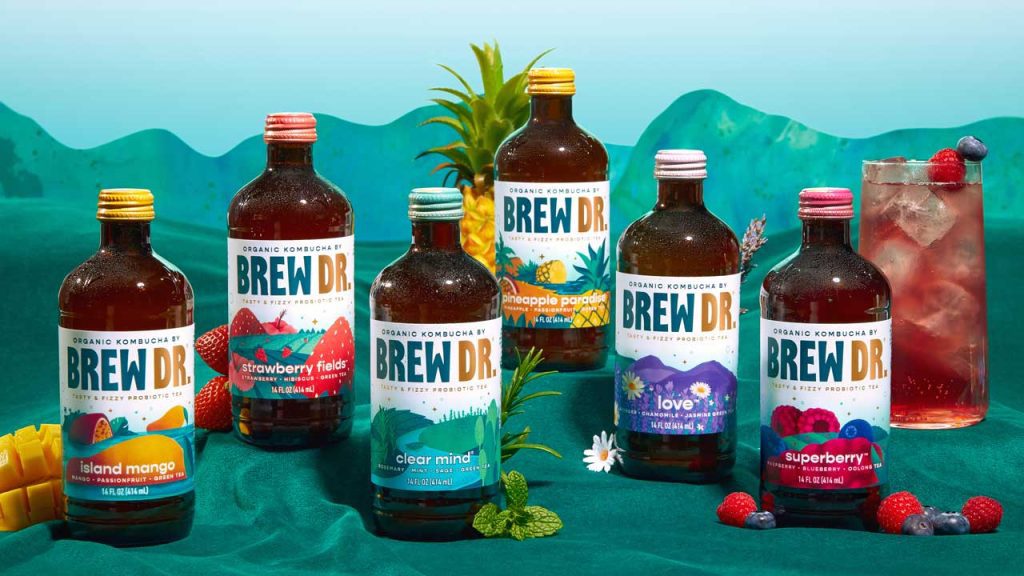
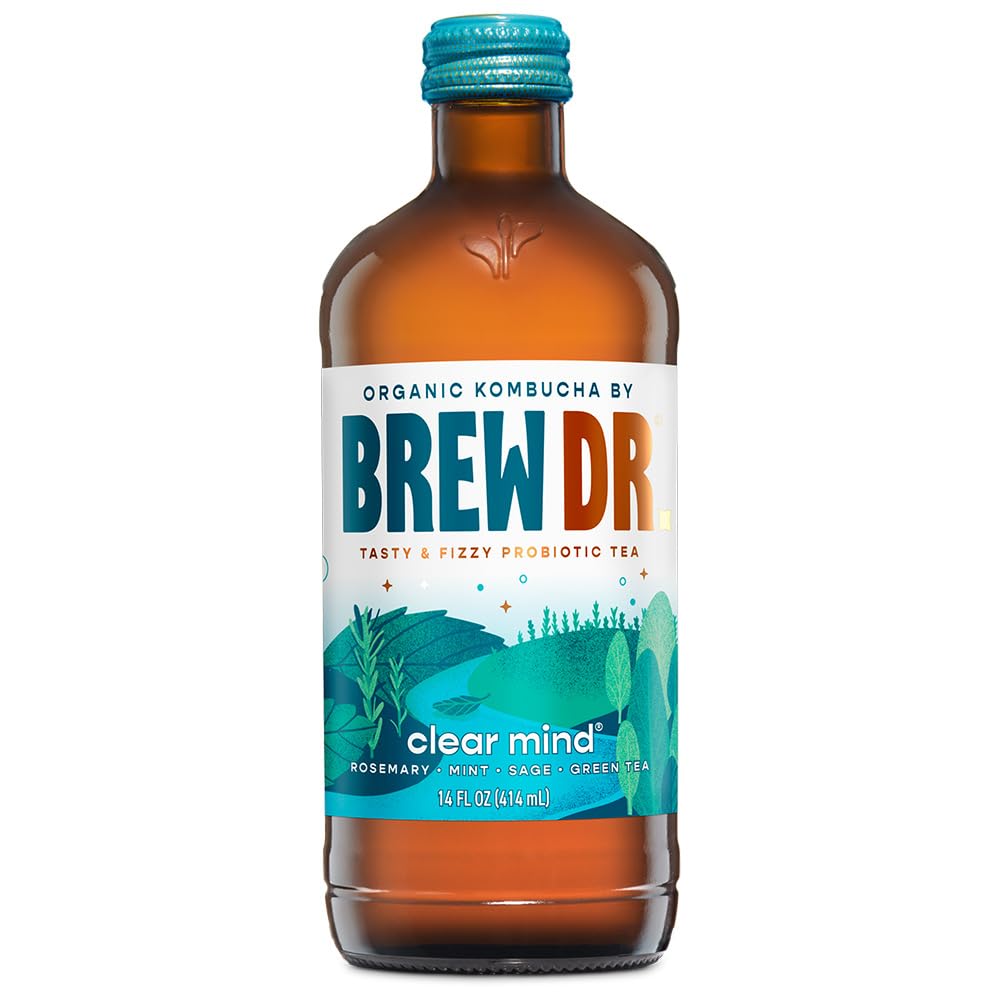
Brew Dr. Kombucha – Founded 2008 by Matt Thomas in Portland (so Portland it hurts lol). Still brewed there.
Why theyre cool: They focus on tea-forward flavors and major sustainability cred. They use quality organic tea blends and herbs (from their sister tea company) to brew kombucha with minimal fruit juice added. Theyre the only national kombucha brand thats a certified B-Corporation (meeting strict social/environmental standards). They’re carbon-neutral and donate 1% of sales to environmental causes. Their kombucha is raw but they invented this method to remove alcohol without heat pasteurization…and they actually use the extracted alcohol to make tea spirits! Their names are all vibe-based like “Love” (lavender-jasmine) or “Clear Mind” (rosemary-mint-sage) instead of just listing ingredients.
Ok can we talk about how frigging GENIUS it is that they reuse the alcohol they remove to make tea spirits?? I visited their Portland facility in 2019 and was blown away by their zero-waste approach. Theyre seriously walking the walk with all their sustainability claims, not just greenwashing like so many companies do. Plus their Love flavor is maybe my favorite kombucha on earth. Its got this subtle floral thing happening without tasting like youre drinking perfume which is a hard balance! Highly recommend if youre new to booch.
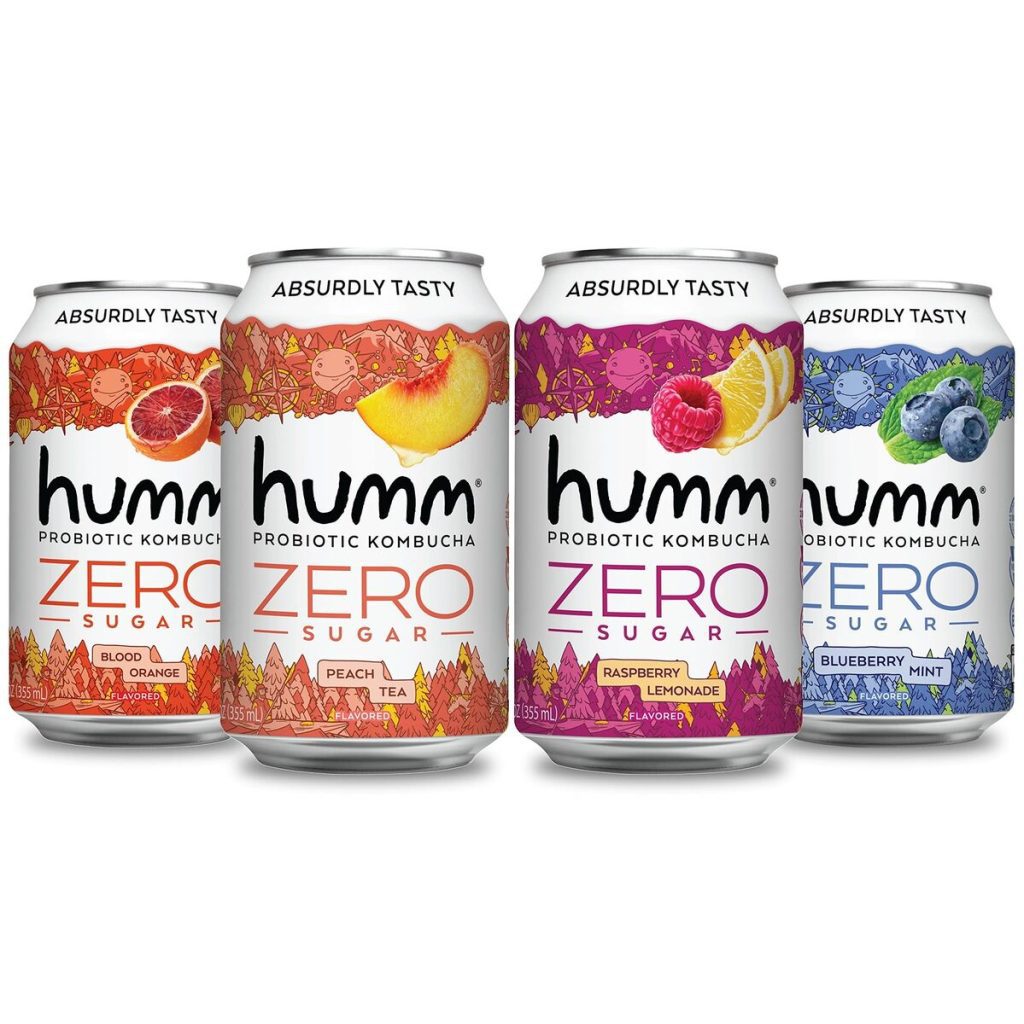
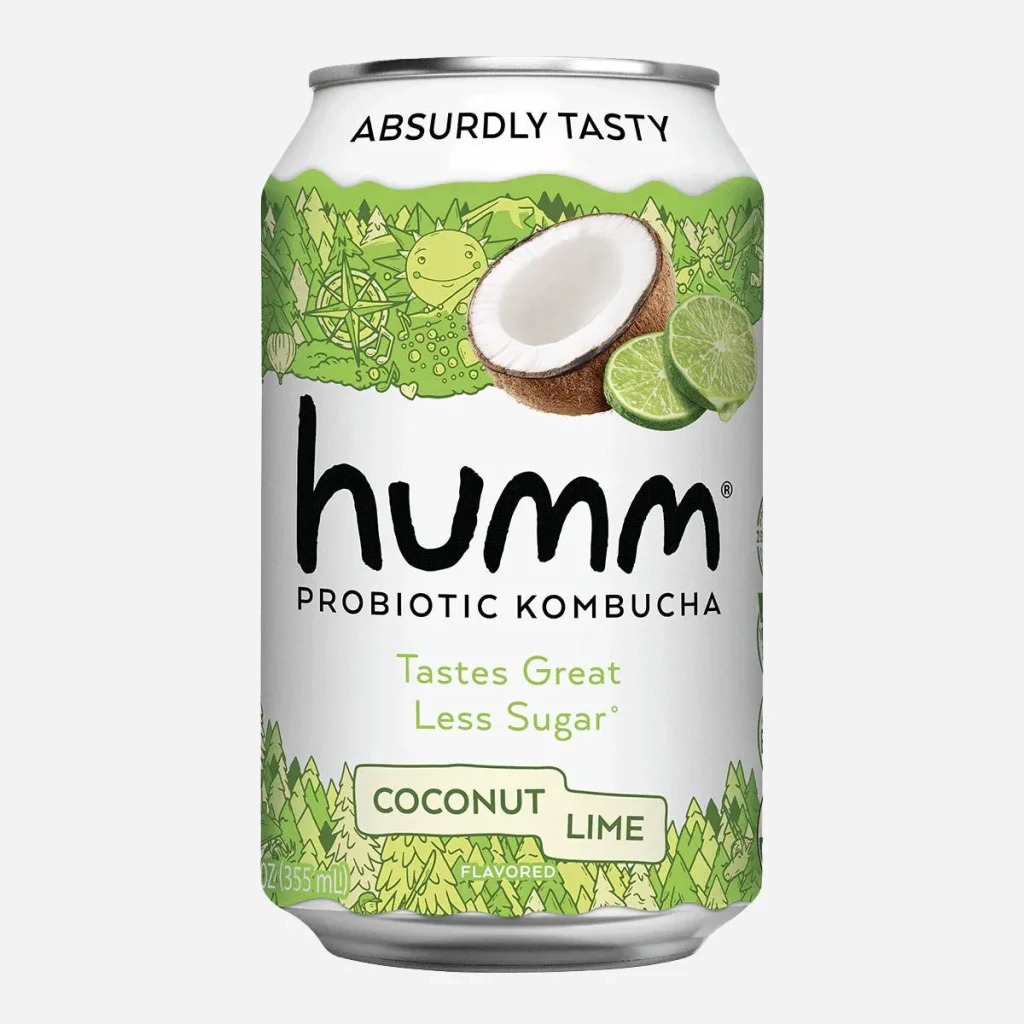
Humm Kombucha – Started 2009 in Bend, Oregon. Still made there.
What theyre about: Known for being super approachable for kombucha newbies & innovative with their low-sugar options. Humm literally started as door-to-door kombucha delivery in a Prius (lol so Oregon) and grew into a national brand in Walmart, Target, Whole Foods, etc. Their flavors are designed to be smooth and not too vinegary. In 2020 they created Humm Zero – legit the first zero-sugar kombucha line that uses monk fruit and allulose as sweeteners. They ferment out ALL the sugar then add natural sweeteners, creating a kombucha thats raw but doesnt need refrigeration (!!). Each Humm Zero can still has ~2 billion probiotics plus added B12. Their whole vibe is “drink better” – positioning kombucha as a healthier alternative to soda.
Humm Zero was a literal game changer when i was doing keto last year! It was the ONLY kombucha i could have that wouldnt kick me outta ketosis. The blood orange flavor is surprisingly good for having zero sugar…like you can tell its different from regular kombucha but not in a gross artificial sweetener way. My only complaint is the cans are kinda small (11oz) compared to the bottles from other brands. But the fact that i can stock up without taking over my entire fridge is pretty clutch. The B12 content is no joke either – i swear i felt more energetic on days i drank it vs days i didnt. Placebo effect? maybe. still gonna drink it tho.
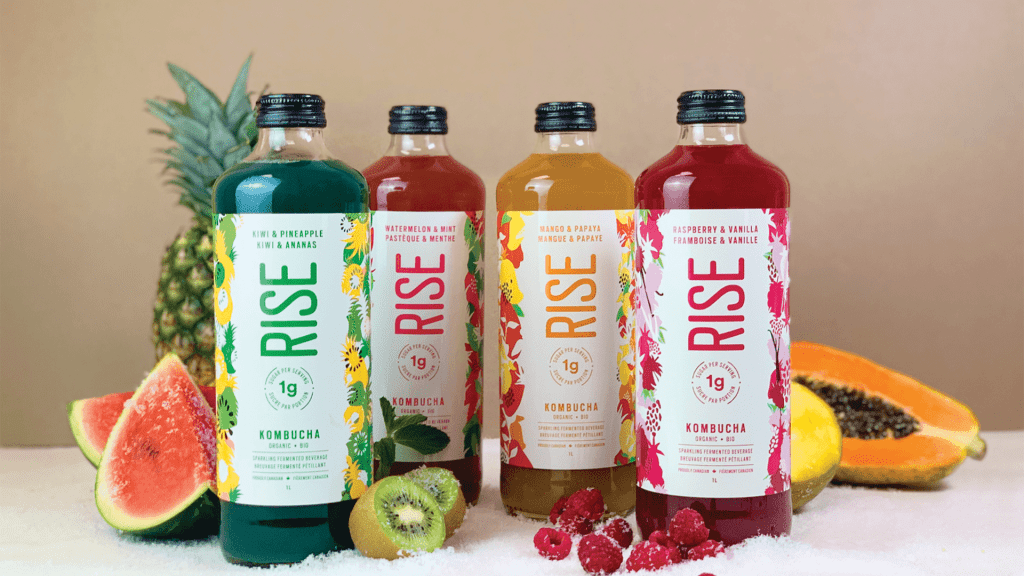
RISE Kombucha – Founded around 2008-2009 in Montreal. Brewed in Quebec.
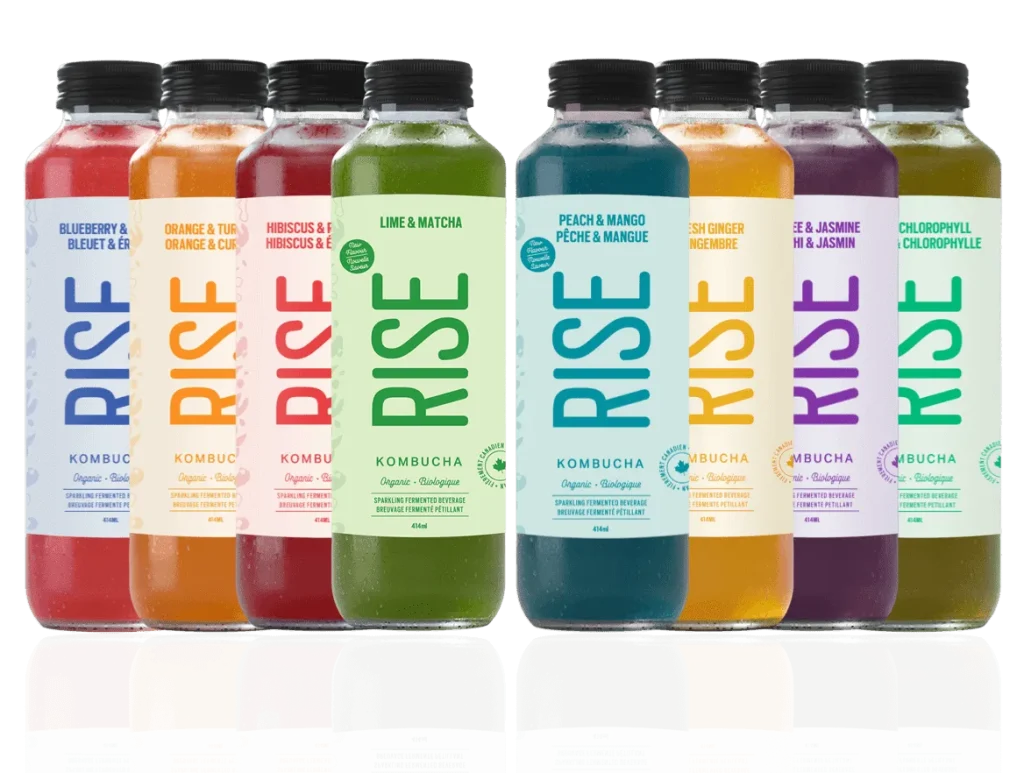
Their deal: Canadas leading kombucha brand, now moving into the US market too. RISE makes authentic raw kombucha with bold botanical flavor combos. They use quality teas and organic ingredients, often highlighting local or fair-trade sourcing. Signature flavors include Hibiscus & Rose Hips, Blueberry & Maple (so Canadian lol), Mint & Chlorophyll, and Lychee & Jasmine. They balance taste and health benefits – “oddly delicious” but still low in sugar. Fully organic, vegan, gluten-free. As pioneers in Canada, they’ve proven Canadians love kombucha too! They started US distribution in the Northeast around 2018.
I discovered RISE on a trip to Montreal about 5 years ago and was like “why tf cant we get this in the States??” So happy theyre finally expanding south. Their Blueberry Maple is probably the most Canadian-tasting drink ive ever had and its sooo good. Something about the maple sweetness really balances out the acidity of the kombucha. I literally smuggled like 4 bottles back in my suitcase last time i visited. The bottles are weirdly tall and skinny compared to other brands – makes them kinda hard to fit in some fridges but they look cool! Their Rose & Schizandra flavor is also amazing if youre into floral stuff.
Other Notable Brands:
Theres a TON of craft and regional kombucha brands popping up too, each with their own special twist:
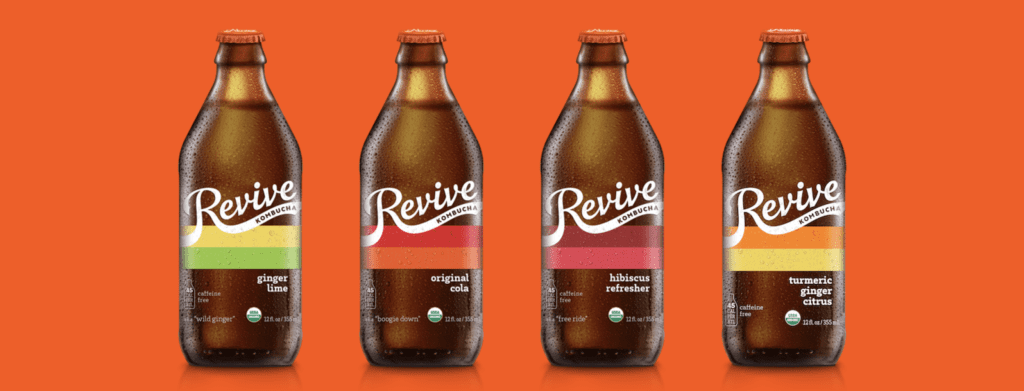
Revive Kombucha (Petaluma, CA) – Known for super creative flavors including COFFEE-infused kombucha (sounds weird but its amazing). They partnered with Peet’s Coffee a while back. Their bottles are often reusable, and they were doing interesting flavors like turmeric-ginger and mocha java kombucha before everyone else jumped on the fancy flavor train.
Better Booch (Los Angeles, CA) – Craft kombucha sold in aluminum cans. They market it more like craft beer with names like “Morning Glory” (peach-black tea) or “Golden Pear”. The cans make it more portable and sustainable since aluminum is actually recycled unlike most glass (hard truth, sorry).

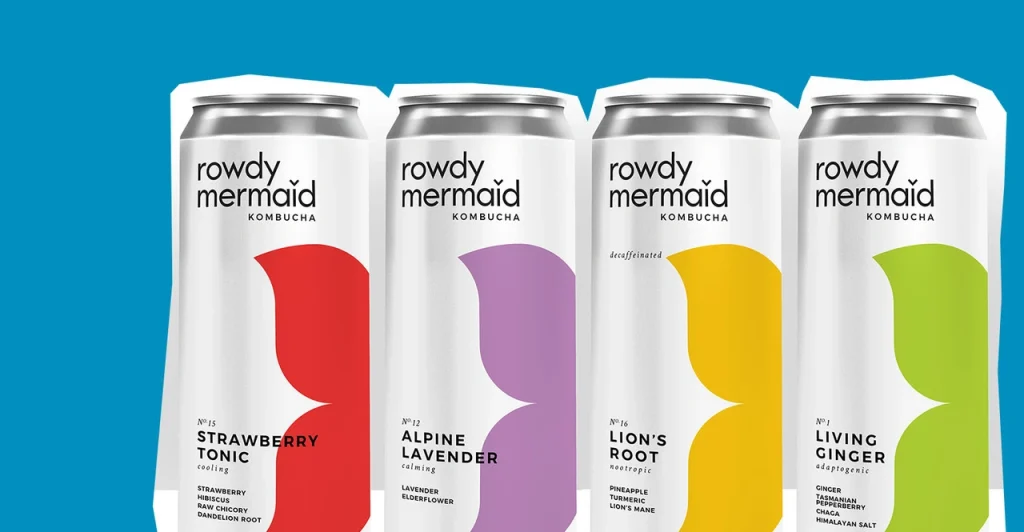
Rowdy Mermaid (Boulder, CO) – These guys are all about adding functional herbs and adaptogens to kombucha. Their flavors include things like ashwagandha, chamomile, and lion’s mane mushroom for benefits beyond just gut health – like stress relief or brain support. Totally fits with the current functional beverage craze.
Wild Tonic (Cottonwood, AZ) – They make Jun kombucha, which uses honey instead of cane sugar for fermentation. Super different taste profile! They make both non-alcoholic Jun (<0.5% ABV) and a higher alcohol “hard” Jun line. Their non-alc stuff comes in gorgeous cobalt blue bottles with flavors like Raspberry Goji Rose.
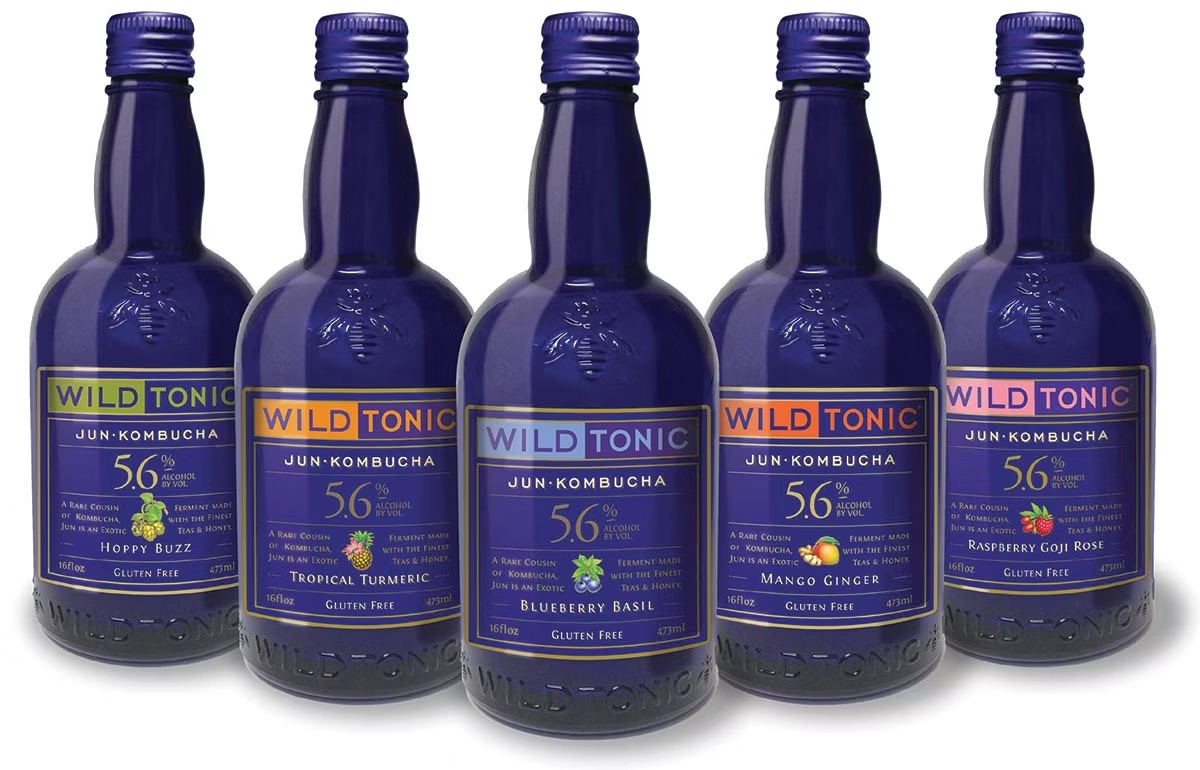
OMG those blue bottles are THE PRETTIEST THING EVER. I’ve saved like 6 of them to use as flower vases around my apartment. My roommate makes fun of my “kombucha bottle decor” but whatever theyre gorgeous. The honey fermentation makes jun taste soooo different from regular kombucha – way less vinegary and more delicate. Their Raspberry Goji Rose flavor tastes like something youd get at a fancy brunch spot for $15 but its like $5 at Whole Foods. Worth it just for the bottles tbh.
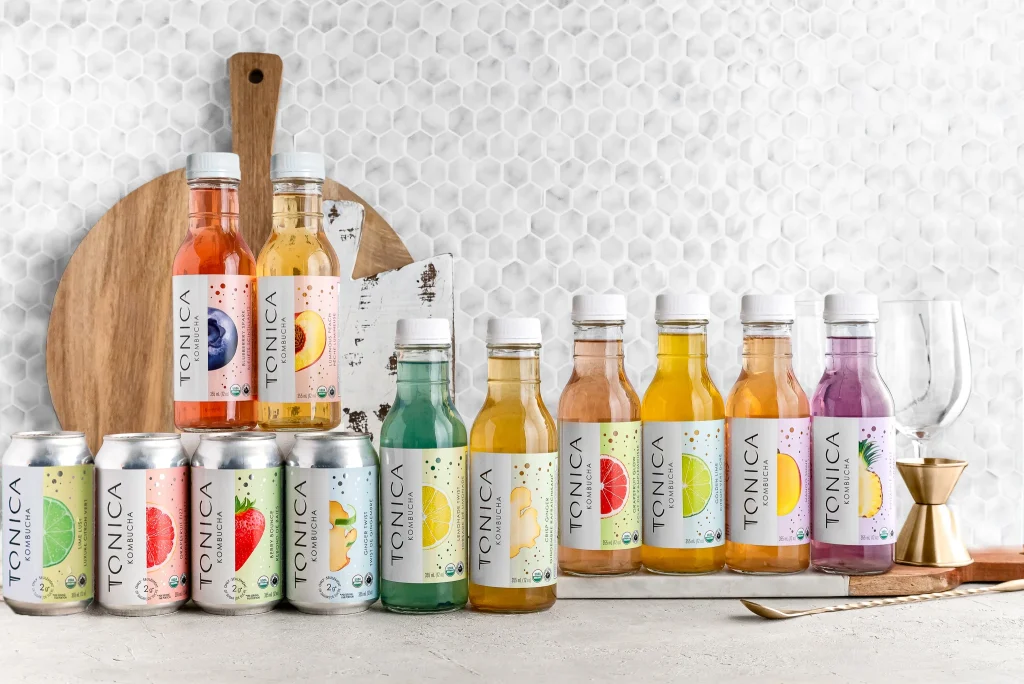
Tonica (Toronto, Canada) – One of Canada’s OG kombucha makers (started 2008). Woman-founded and focused on light, fruity flavors like Green Tea Mojito and Peach. Mostly found in health food stores and yoga studios across Canada.
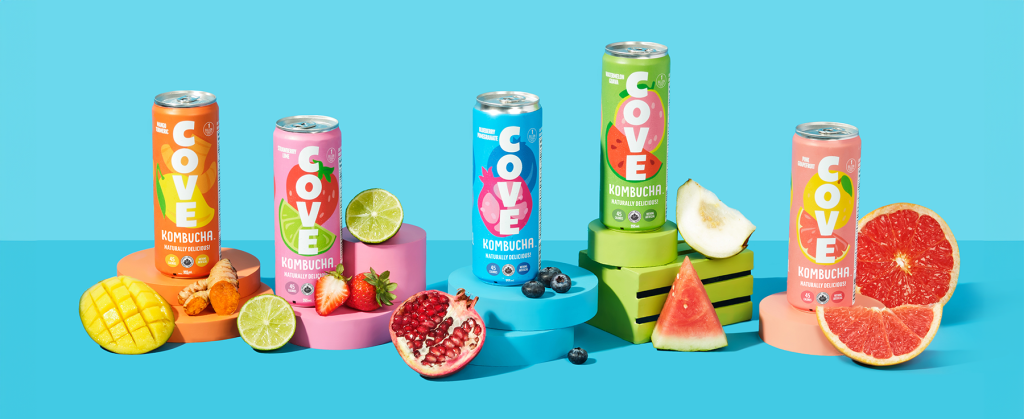
Cove Kombucha (Nova Scotia, Canada) – Up-and-coming East Coast Canadian brand. In 2021 they partnered with Sobeys grocery chain to launch nationwide, with creative flavors like Blueberry Pomegranate and Strawberry Hibiscus.
All these smaller brands are making the kombucha world super diverse. some focus on local ingredients, some on unique brewing methods, others on adding functional ingredients. Between the big national players and these craft brewers, there’s literally a kombucha for everyone – from hardcore health nuts who want the most raw, traditional brew possible to soda drinkers looking for something fizzy that wont spike their blood sugar. The kombucha revolution is real y’all!
Product Lines and Offerings (The Good Stuff)
Ok so all kombucha is basically fermented tea with live cultures, but each brand has their own special approach. Lemme break down what each one is offering flavor-wise, packaging, and any other cool variations they’ve come up with.
GT’s Living Foods (Synergy Kombucha & Classic Kombucha):
GT’s has like a MILLION flavors (ok more like 30+ but still). Their Synergy line is the main one – raw kombucha mixed with organic juices. The heavy hitters are:
- Trilogy (berry, ginger, lemon combo)
- Gingerade (straight up ginger-lemon, great for upset stomachs!)
- Guava Goddess (tropical vibes)
- Mystic Mango (self explanatory lol)
- Strawberry Serenity (like adult strawberry soda)
- Seasonal stuff like Pumpkin Spice in fall or Bloom (elderflower/jasmine) in spring
These are all 100% raw with <0.5% alcohol. GT’s also makes a “Classic Kombucha” line that ferments longer and ends up with ~1-2% alcohol, but you can only find it at certain stores cause of the booze content. Honestly ive had the classic line and you can DEFINITELY tell the difference… I may or may not have felt a tiny buzz after drinking one on an empty stomach once. Not saying it’ll get you drunk or anything, but theres definitely more of a kick!
Packaging: The regular Synergy comes in 16oz amber glass bottles with that iconic “GT’s Enlightened” logo. They also sell these MASSIVE 48oz “Growler” bottles of the popular flavors which is actually a better deal per ounce. My fridge usually has at least 2-3 flavors at any given time.
The weirdest variation they make is the “Enlightened Kombucha with Chia” – legit kombucha with hydrated chia seeds floating in it. Those chia seed ones are… an EXPERIENCE 😂 I remember trying the chia passion fruit one and my friends were like “WHY are you drinking something with floating seeds??” But honestly its pretty good once you get used to the texture! Kinda like bubble tea but with tiny seeds instead of tapioca balls.
GT’s stays super focused on fermented stuff – they don’t do seltzers or other random products, just kombucha and other fermented foods like coconut kefir. They’ve never sold out to big corporations either which is pretty rare these days.
Health-Ade Kombucha:
Health-Ade keeps their lineup more curated – not as many flavors as GT’s but all bangers no filler. Their stuff is very fruit/herb forward:
- Pink Lady Apple (their bestseller – tastes like sparkling apple cider but wayy less sweet)
- Pomegranate (my personal fave – tart but not too tart)
- Blood Orange-Carrot-Ginger (weird combo but works SO well)
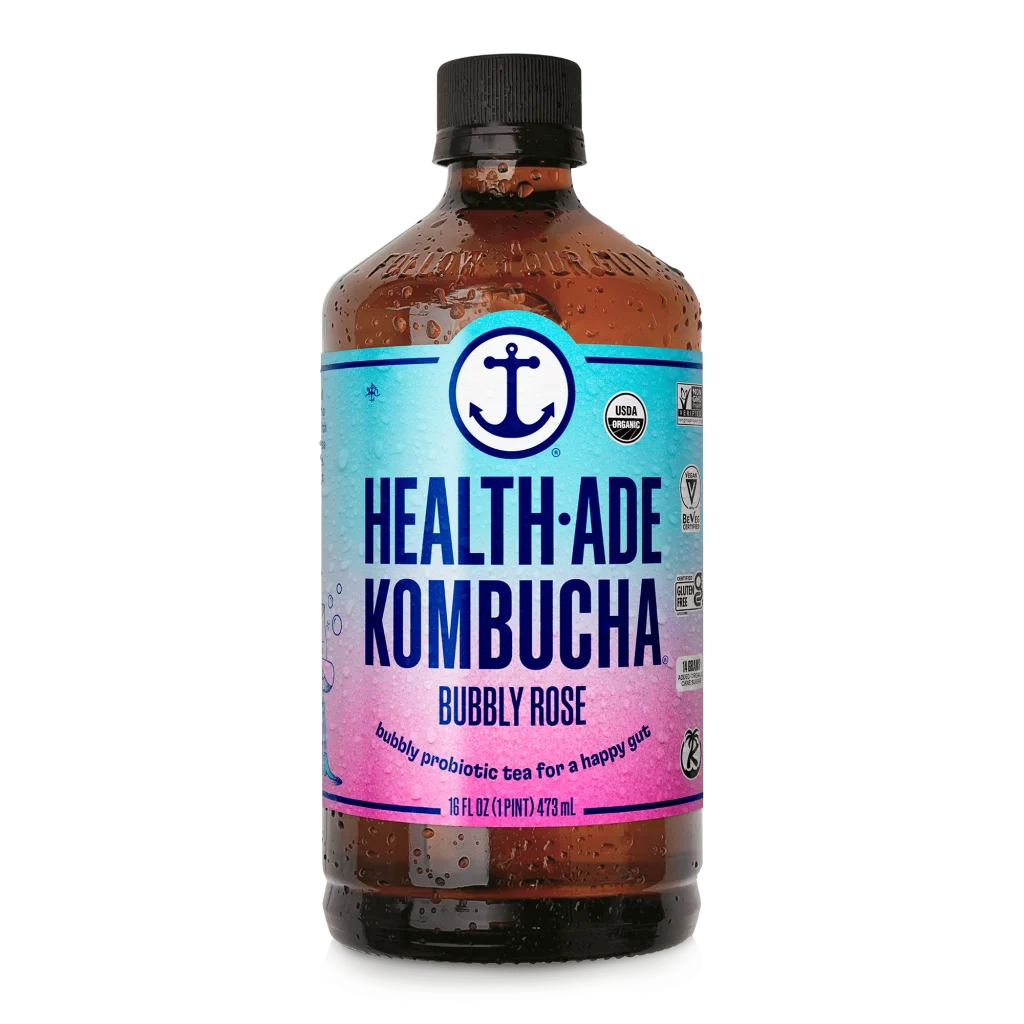
- Bubbly Rose (rose, hibiscus, rose hips – tastes like champagne’s funky cousin)
- Ginger-Lemon (super zesty, great for digestion)
- Passionfruit-Tangerine (tropical but not too sweet)
- Cherry-Berry (like a grown-up cherry soda)
They also do these limited seasonal drops like Holiday Cheers with vanilla and spices that literally tastes like Christmas in a bottle! I stock up every December and try to save a few bottles for later in the year. One time I accidentally left a bottle in the back of my fridge till June and it still tasted amazing (possibly even better with the extra aging??).
All their flavors use real juices & spices – not extracts or flavorings. The Ginger-Lemon actually has chunks of ginger and lemon juice.
Packaging: They come in these super cute 16oz brown apothecary bottles with an anchor logo. The dark bottles actually serve a purpose – they protect the probiotics from light damage. They’ve started doing 11.5oz cans for some flavors and a line called “Booch Pop” that’s basically kombucha soda, but their main stuff is still in the glass bottles. The bottle design is my favorite of any kombucha brand – super distinctive and feels fancy even though its only like $4.
They also supply kegs to fancy cafes and restaurants so sometimes you can find Health-Ade on tap (which is always fresher and fizzier imo).
Their newest thing is Health-Ade Plus – kombucha with added functional ingredients. They have ones like “Glow” with collagen and biotin for hair/skin, and “Chill” with ashwagandha to help you relax. Haven’t noticed huge differences from the functional ingredients tbh, but they taste good. And apparently all their kombucha is fermented “in glass from start to finish” which they claim makes it purer.
KeVita Master Brew Kombucha:
KeVita’s vibe is “kombucha for people who think they hate kombucha” lol. Their Master Brew line is smoother and less vinegary than traditional brands. Key flavors:
- Ginger (classic)
- Pineapple Peach (their best flavor imo)
- Raspberry Lemon (solid but nothing special)
- Mango Lime (decent tropical option)
- Tart Cherry (actually pretty good)
- Grapefruit (refreshing AF)
- Lavender Melon (weird but works)
The flavors come from extracts/juices but taste more muted compared to raw brands. That’s cause they filter out a lot of the kombucha tang.
Packaging: 15.2oz plastic bottles with colorful labels. The plastic bottles are actually handy for hiking and camping trips – no worries about breaking glass in your backpack! But I swear they dont taste the same as the glass bottle brands… maybe its psychological but I feel like you can taste the plastic sometimes? Or maybe its cause they pasteurize it.
Each bottle says “verified non-alcoholic” and lists Bacillus coagulans as the probiotic (they add this back after pasteurizing). A bottle of Ginger has about 70 calories and 16g sugar which is actually on the higher end for kombucha.
KeVita also makes non-kombucha stuff like Sparkling Probiotic Drinks and Apple Cider Vinegar tonics. Within their kombucha line though, everything is super consistent – same smooth finish, same ~4 billion CFU probiotics. It’s reliable but not exciting, if that makes sense?

Brew Dr. Kombucha:
Brew Dr is interesting cause they name their flavors based on vibes, not just ingredients:
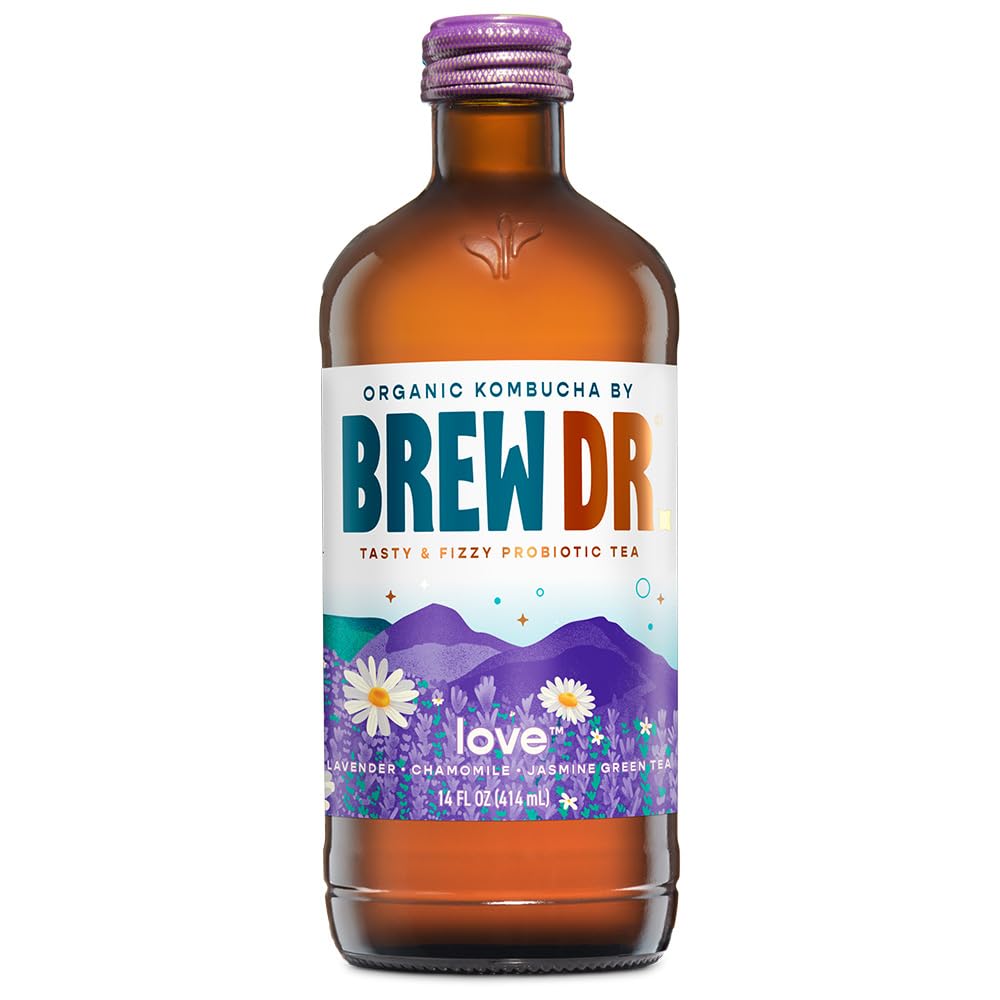
- Love (lavender, chamomile, jasmine – floral heaven)
- Clear Mind (rosemary, mint, sage – herbal and crisp)
- Happiness (passionfruit green tea – actually makes me happy lol)
- Island Mango (mango, pineapple, turmeric – tropical vacation vibes)
- Superberry (berry and hibiscus – antioxidant bomb)
- They also do fun limited stuff like Citrus Hops that tastes kinda like a non-alcoholic beer
What’s cool about Brew Dr is they don’t usually add juice after fermenting – they brew the tea with all the botanicals FIRST, then ferment the whole thing. This makes a lighter, more tea-forward kombucha. Any sweetness is just from whatever sugar didn’t get eaten by the SCOBY.
Packaging: 14oz amber glass bottles for most stuff. They’ve started doing 12oz slim cans for some flavors too, especially in variety packs. Their labels always have the organic logo and B Corp certification (which actually means something, unlike most corporate “green” claims).
Brew Dr’s Love flavor is probably my favorite kombucha of ALL time (and I’ve tried literally hundreds at this point – my bank account is crying). Something about that lavender-jasmine combo just works SO well with the slight tang of the fermentation. It smells like a fancy spa but doesnt taste like soap which is kinda miraculous? I even tried to make my own version at home once… total disaster. Ended up with something that tasted like lavender vinegar mixed with dirt. Some things are best left to the professionals lmao.
Recently they launched some sister products like “SIP Yerba Mate” and “Joybucha” (kombucha seltzer) in cans, but their core is still traditional raw kombucha. Each bottle has 50–80 calories and 12–15g sugar depending on flavor. Way better than soda which has like 40g per can!
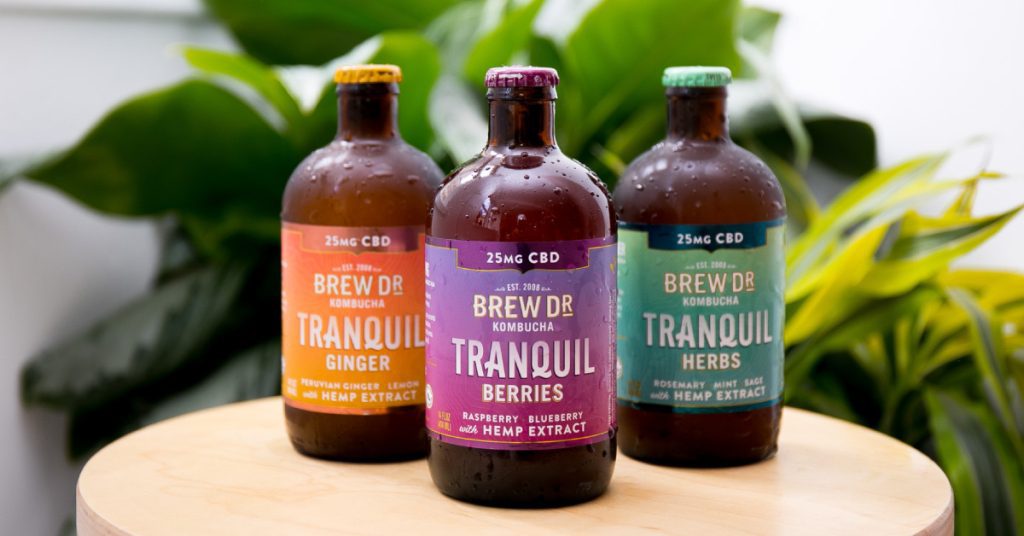
Humm Kombucha:
Humm’s original line is all about bright, fruity flavors that aren’t too intimidating for kombucha newbies:
- Mango Passionfruit (tropical but not too sweet)
- Blueberry Mint (the mint makes it interesting)
- Strawberry Lemonade (summer in a bottle)
- Hopped Grapefruit (kinda beer-adjacent but not alcoholic)
- Coconut Lime (tastes like vacation)
These come in 14oz glass bottles and need refrigeration. Even their regular line has less sugar than many competitors – their Ginger Lemon only has about 9g sugar per bottle.
But the REAL game-changer is Humm Zero – zero sugar kombucha that stays shelf-stable!!! It comes in 11oz cans with flavors like:
- Blood Orange
- Peach Tea
- Raspberry Lemonade
- Ginger Oolong
Each can is just 10 calories with 0g sugar (they use monk fruit and allulose to sweeten), but still has live cultures and about 2 billion probiotic CFUs plus B vitamins.
The science behind why it’s shelf-stable is kinda cool – they ferment out ALL the sugar completely, so there’s nothing left for the yeast to eat. This means the cans won’t keep fermenting and explode (which is a legit problem with other brands lol).
I have a funny story about Humm – I once accidentally left a bottle of their regular stuff in my car during summer for like 3 days (it was over 90°F) and when I finally found it and opened it… WHOOSH! It was like a kombucha volcano! Apparently the heat makes the fermentation go crazy. The whole car smelled like vinegar for a week. Now I always double-check that I dont leave bottles anywhere hot. The zero sugar ones dont have this problem tho which is nice!
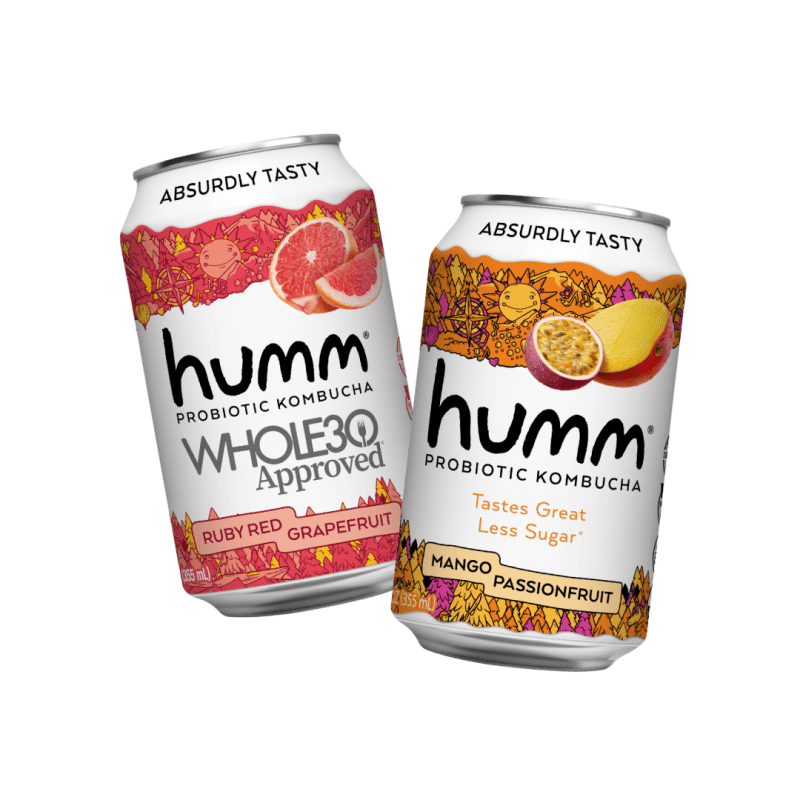
RISE Kombucha:
RISE makes 8 core flavors in Canada, each with a really distinct personality:
- Ginger (their OG flavor – spicy and crisp)
- Hibiscus Rose Hips (bright pink and tart-floral)
- Blueberry Maple (the most Canadian flavor ever – sweet and fruity)
- Lemongrass (citrusy and bright)
- Mint Chlorophyll (tastes super green and fresh)
- Rose & Schizandra (floral with adaptogenic berries)
- Lychee & Jasmine (delicate and fragrant)
- Orange & Turmeric (golden anti-inflammatory vibes)
In 2022 they launched a low-sugar line called RISE 1g with just 1 gram of sugar per serving. Flavors include Mango & Passionfruit and Cherry & Cranberry. These are aimed at the keto/low-carb crowd but still need refrigeration.
Packaging: 414 mL (14oz) clear glass bottles with super colorful labels. Their bottles are taller and skinnier than most brands – looks cool but can be awkward in some fridges.
All RISE kombuchas are raw/unpasteurized but they say they “optimize” the fermentation for consistent flavor – basically controlling it so it’s not too sour. This makes it more approachable for kombucha rookies. They’re big on sustainability at their production facility too.
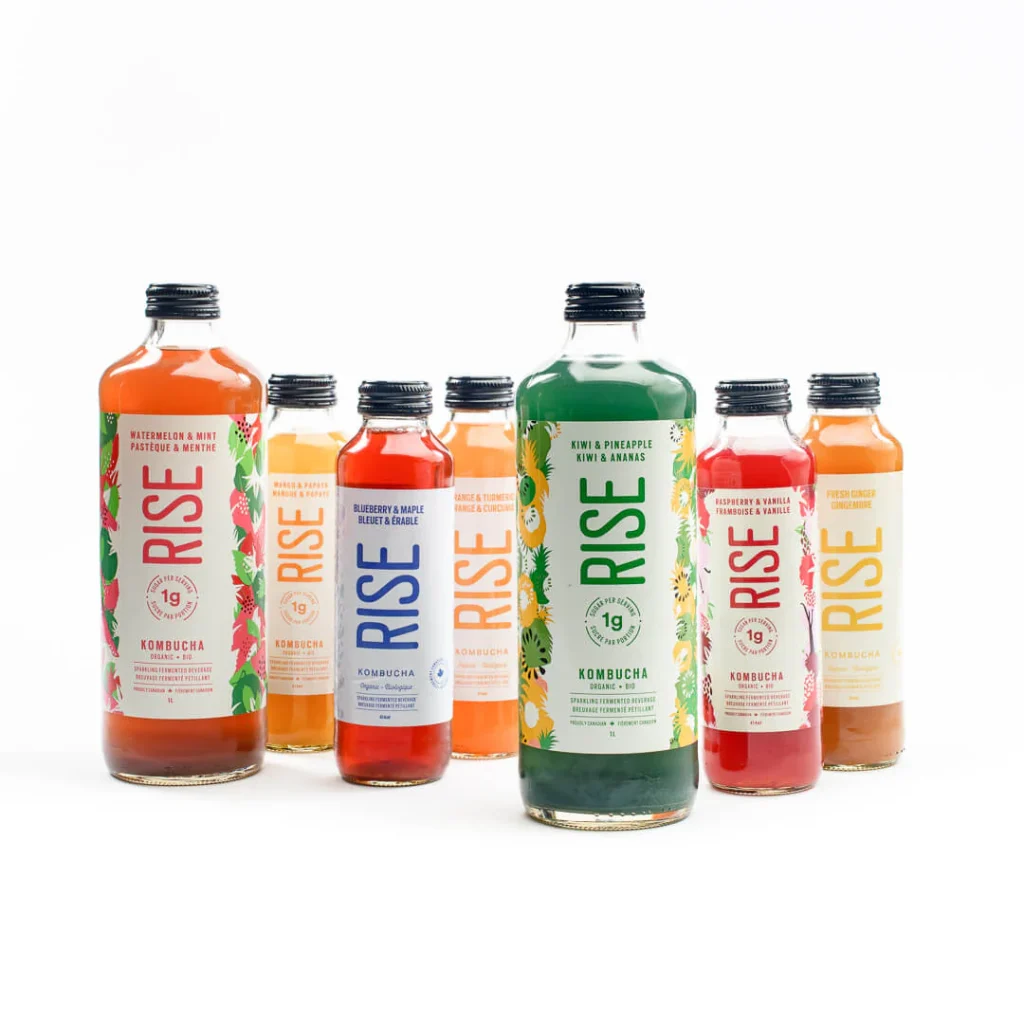
Craft/Regional Product Variations:
The craft kombucha scene is where the REALLY weird and wonderful stuff happens. Small brands are going wild with ingredients:
- Rowdy Mermaid makes flavors like “Savage Love” (strawberry, juniper, hibiscus) and “Lion’s Root” (ginger, lion’s mane mushroom) – adding functional mushrooms to kombucha is a whole trend.
- Wild Tonic’s Jun kombucha does flavors like Blackberry Mint and Chai Pear, which taste way smoother than regular kombucha due to the honey fermentation.
- Even GT’s is experimenting – they launched GT’s ALIVE with adaptogens like reishi and chaga mushrooms plus herbs. Tried some of those adaptogenic mushroom ones from GT and honestly couldnt tell if they were doing anything special vs regular kombucha? Maybe you need to drink them consistently to notice effects. They definitely tasted earthy tho – not in a bad way, just different.
Traditional raw kombucha is still the heart of the category, but we’re seeing all these cool crossovers with functional drinks (adaptogens, nootropics) and new formats (cans, shots, concentrates). This whole trend of adding functional ingredients is interesting but sometimes feels like marketing hype. Like, does my booch REALLY need ashwagandha? But I still buy them cause FOMO I guess 🤦♀️
Market Research & Growth Trends (The Business Side)
So kombucha has basically exploded over the past decade because of all these health trends and people wanting drinks that aren’t just sugary garbage. Let’s dig into the numbers and trends cause they’re actually pretty wild.
Show Me The Money (Market Size & Growth)
The kombucha market in North America is no joke – we’re talking serious cash:
How Big Is It Now?: In 2023, North America’s kombucha market was worth around $1.7 BILLION. That’s billion with a B! Another report said 2021 sales were about $1.26 billion, so its growing fast. The US is the big player here, making up about 70% of the market, with Canada handling the rest.
Where’s It Going?: All the projections show crazy growth ahead. Market researchers are predicting the North American market will hit between $4-5.5 billion by 2030-2031. Thats basically tripling in size! We’re talking 14-16% growth year over year, which is insane for a beverage category. Like, soda is basically flat or declining and here’s kombucha just exploding.
Global Picture: North America is actually kombucha central – we drink almost half of all the kombucha sold globally! In 2021 NA was about 48% of global kombucha sales. The entire world market was around $1.2 billion in 2018 and heading toward $3.5+ billion by 2025.
New Players: The growth has attracted the big beverage companies (Pepsi buying KeVita, Coke investing in some markets) and tons of startups. Theres a ton of competition but still room for new brands if they have something different to offer – like Humm did with their zero sugar innovation.
Despite all this growth, kombucha is still tiny compared to soda, energy drinks, or bottled water. Thats actually good news – means theres still tons of room to grow if more soda/juice/alcohol drinkers can be converted.
I remember in 2015 when even finding kombucha at regular grocery stores was a challenge – I had to drive 45 minutes to a health food store just to get my fix! Now my local 7-Eleven carries like 3 different brands! Literally saw a construction worker buying GT’s Trilogy with his lunch sandwich the other day. We’ve come so far 😭 Its gone from this weird niche health thing to something totally mainstream in less than a decade. My friend who used to make fun of me for drinking “weird bacteria juice” texted me last week to ask which brand she should buy at Target. The kombucha revolution is real yall.
Who’s Drinking This Stuff? (Consumer Demographics)
Kombucha started with the health-obsessed crowd, especially millennials on the West Coast, and it definitely skewed female at first. But the audience is getting way broader:
Age Breakdown: Kombucha is HUGE with young adults. Get this – over HALF (51%) of US adults aged 25–34 drink kombucha or kombucha-based drinks, according to Mintel research. That’s crazy high penetration for a relatively new category! For the general population (all ages combined), about 1 in 4 Americans have tried kombucha. Older folks (Gen X and Boomers) are way less likely to be kombucha drinkers, so theres still room to grow there.
This totally tracks with my experience – like at my workplace (mostly 25-35 year olds) the kombucha in the office fridge disappears INSTANTLY, but when I bring it to family gatherings my older relatives look at it like im serving them pond water lol. My aunt literally held a bottle up to the light and was like “are those THINGS floating in there??” Yes, its the scoby fragments, and theyre the good part Karen!
Gender Split: The numbers on this are a bit fuzzy, but early surveys showed a slight female majority in the kombucha crowd (probably cause it started in yoga/wellness circles). One 2016 report found 28% of men vs 18% of women surveyed were kombucha drinkers, but that seems off based on what i see in real life. Kombucha marketing has definitely targeted women more, but as brands position it as a sports recovery drink or cocktail alternative, more guys are getting on board.
In my friend group the split is pretty even now – about half the guys are into kombucha these days. My roommate Matt who’s super into weightlifting keeps buying the ginger flavors cause he read somewhere that they help with inflammation after workouts. He was totally against it at first (“Im not drinking your weird hippie stuff”) but now he literally drinks more of it than I do! But I have noticed kombucha advertising definitely still seems aimed at women – all those Instagram ads with the yoga poses and glowing skin claims.
Lifestyle & Values: Kombucha drinkers tend to be into the whole health and wellness thing. They’re usually people who care about organic food, probiotics, clean labels, etc. Lots of Whole Foods and Trader Joe’s shoppers who check for Non-GMO and gluten-free labels. Many are using kombucha as a replacement for soda, alcohol, or just as part of their gut-health routine.
The price point is definitely still a barrier sometimes. Like I love kombucha but spending $3-5 PER BOTTLE adds up quick! I used to work near a Whole Foods and would literally budget for my “booch habit” each month lol. Its getting better though – Costco sometimes has 6-packs of GT’s for like $16 which is way more reasonable. Still not cheap enough for everyone tho. One of my coworkers was shocked when I told her how much I spend on kombucha weekly… she was like “that could be a car payment!” 😅
Studies show higher education and income levels correlate with kombucha drinking, probably because these people are more tuned into health trends and can afford premium drinks. Urban areas and the coasts (especially West Coast and Northeast) were the first hotbeds, but kombucha has spread pretty much everywhere now.
Taste Preferences: At first, the sour vinegary taste of kombucha was a major hurdle for mainstream adoption. But younger consumers especially are more adventurous with flavors these days. Ginger flavors (which add spice to cut the vinegar) and fruity blends that mask the tang have been super successful. Most consumers definitely prefer flavored kombucha over plain.
I got my dad (who’s 68) to try kombucha last year and he was like “ugh what IS this stuff?? It tastes like somebody left apple cider in the garage for a month!” But then I had him try the pineapple flavor from Health-Ade and now he actually buys it sometimes. The fruity ones are definitely gateway booch. Its been kinda hilarious watching him go from “this is hippie nonsense” to texting me about how his “gut feels better” since he started drinking it. He even tried to explain fermentation to my mom the other day like he’s been brewing kombucha his whole life 🤣 My work here is done.
There’s also a growing segment using kombucha as a mixer – either in cocktails or mocktails. Kombucha cocktails are showing up on trendy bar menus, and brands are noticing people use it as a mixer with spirits or as a non-alcoholic option at bars.
Regional differences: The West Coast (especially California and the Pacific Northwest) pioneered kombucha in the US – thats why so many brands started there. These markets are still the most developed, but kombucha has gone fully national now. In Canada, British Columbia and Ontario have the biggest kombucha scenes with tons of local brewers in Vancouver and Toronto. Quebec has RISE as its big brand. Rural areas and the deep South were late to the party, but big box stores are changing that.
I moved from Seattle to rural Tennessee for a year and it was ROUGH trying to find good kombucha at first! The local Kroger had like one sad little section with just GT’s original flavor. But by the time I left, they’d expanded to a whole refrigerated section with multiple brands. Even the little country market down the road started carrying it eventually. Progress! Though I did have to explain what it was to multiple people… “no its not alcoholic… well technically a tiny bit but not enough to matter… yes those floating things are supposed to be there…”
Why People Drink It: The main reasons people grab kombucha:
- Health Benefits: Most kombucha drinkers are in it for gut health and probiotics. Digestive wellness is a huge theme – people associate kombucha with better digestion, healthier gut microbiome, and immune support. In surveys, consumers mention detox, digestion help, and immune boosting as key reasons. Even though the science is still catching up, the perception of kombucha as a “health drink” is super strong.
Look, I started drinking it cause it was supposed to help with my digestion issues and honestly? It WORKS for me. Whenever I travel and cant get my regular kombucha fix, my stomach gets all wonky again. Maybe its placebo effect, maybe its real probiotic magic, but either way my gut is happier when im drinking booch regularly. And I swear I get sick less often too… havent had a cold in like 2 years and Im convinced its partly the kombucha (that and obsessive hand washing since the pandemic lol).
- Natural & Low-Sugar Appeal: Kombucha fits the “clean label” trend perfectly – naturally fermented, organic, way less sugar than soda. Health-conscious people avoiding soda see kombucha as a better alternative to sugary drinks. The “organic” and “no artificial ingredients” claims build trust with label-readers.
I used to drink like 2-3 cans of Coke a day in college – switching to kombucha literally cut my sugar intake by like 75%! And yeah, I know kombucha still has some sugar, but waayyy less than soda. Plus it actually feels like it gives me sustained energy rather than a crash. My dentist even commented that my teeth looked better at my last cleaning lol.
- Taste & Experience: Some people genuinely love the taste – that tangy fizz becomes addictive once you’re used to it. The slight effervescence and complex flavor make it more “adult” than sweet sodas, which is why some people choose it over beer or cocktails when they want something special but non-alcoholic.
After you get used to it, regular soda honestly tastes gross and syrupy. Kombucha has so many more layers of flavor – its like the difference between grape juice and wine. Plus that little zing/burn feeling from the acidity is kinda satisfying? Hard to explain but once your palate adjusts, other drinks seem boring. My partner is doing a sober month right now and says kombucha in a nice glass helps her feel like shes still having something “special” in the evenings instead of alcohol.
- Lifestyle Signaling: Let’s be real – kombucha has definitely become a status symbol in certain circles, similar to craft coffee or green juice. Carrying a kombucha signals you’re health-conscious and on-trend. This social aspect (fueled by Instagram influencers) helped kombucha blow up among young wellness enthusiasts.
Let’s be real – there’s definitely some status signaling happening with kombucha. I remember in like 2016-2017 when it became almost a meme how much “wellness influencers” were posting about their kombucha. I definitely felt cooler carrying around my fancy glass bottle of GT’s than a plastic bottle of Gatorade at the gym. Though now that its gone mainstream that exclusivity factor is fading… guess I need to find an even more obscure fermented drink to stay ahead of the curve 😂 Jun kombucha maybe? Kvass? Water kefir??
What’s Trending in Kombucha Land
The kombucha world is changing FAST. Brands are constantly coming up with new stuff to stay competitive and grab more shelf space. Here are the big trends shaping where kombucha is heading:
Low-Sugar & No-Sugar Options: The sugar thing is probably the biggest shift happening right now. OG kombuchas typically had like 12-20g of sugar per bottle (still wayyy less than soda but not nothing). Now with everyone freaking out about sugar, brands are finding creative ways to cut it further.
Some are using alternative sweeteners like stevia, monk fruit, and allulose (what Humm Zero uses). Others are just fermenting the kombucha longer so the cultures eat more of the sugar, or using low-sugar fruit juices for flavoring. The goal is to make kombucha work for keto people, diabetics, and anyone watching their sugar intake.
Remedy (this Australian brand thats now entering North America) actually ferments out ALL the sugar naturally and ends up with zero sugar kombucha that tastes more acidic. These low/no sugar versions are gonna be huge for getting more people into kombucha who were avoiding it because of the sugar content.
I went keto for 3 months last year and Humm Zero was literally my savior. Before that I was looking at nutrition labels like “wait, this has HOW much sugar??” The monk fruit sweetened ones actually taste pretty good – not exactly the same as regular kombucha, but close enough to satisfy the craving. I bet we’ll see more of these sugar-free options pop up soon as everyone seems to be cutting sugar these days. My mom’s diabetic and she can finally enjoy kombucha now with these new options!
Cans Taking Over: Kombucha traditionally came in glass bottles, but cans are becoming HUGE. Aluminum cans are more portable (great for hiking, beach days, lunch boxes), better for the environment (aluminum actually gets recycled unlike most glass), and they enable shelf-stable formulations.
Better Booch and Juneshine (the hard kombucha) really helped make canned kombucha a thing, and now even the big established brands are testing cans. Health-Ade’s doing cans for their “Pop” line, RISE has cans for their 1g line, etc.
People love the convenience factor of cans and the fact that they dont break in your bag. The industry sees shelf-stable canned kombucha as potentially explosive for growth – it could let kombucha be sold literally anywhere, not just refrigerated sections.
The cans are such a game-changer for outdoor stuff! I love hiking and used to be so paranoid about glass bottles breaking in my backpack. Now I can throw a couple cans of Better Booch in there no problem. Also way easier to recycle the aluminum when youre done vs lugging empty glass bottles back down the trail. The canned ones seem to stay fizzy longer too – I had a can of Health-Ade Pop that sat in my pantry for like 2 months and it was still perfectly carbonated when I opened it.
Shelf-Stable Revolution: This is related to the can trend but its a bigger deal than most people realize. Traditional raw kombucha HAS to be refrigerated constantly or it’ll keep fermenting (and potentially explode!). This makes distribution a nightmare – refrigerated trucks, refrigerated storage, refrigerated display cases… all super expensive.
Companies are working on shelf-stable kombucha that doesnt need refrigeration – either by fermenting out all sugar (Humm Zero approach), filtering out yeasts, or doing a mild pasteurization and adding probiotics back (KeVita approach). The upside is MASSIVE – kombucha could be sold right next to seltzers and juices in the regular beverage aisle, hugely increasing visibility and lowering costs.
This is sparking a debate among purists though – some argue that truly authentic kombucha MUST be raw and refrigerated. But from a business perspective, going shelf-stable opens enormous new markets. I expect we’ll see more “ambient” kombucha options as brands try to go more mainstream.
I get why the purists are upset about shelf-stable versions, but honestly most people just want something that tastes good and is convenient. My roommate orders those Humm Zero 12-packs online and just keeps them in our pantry – no refrigeration needed! The kombucha elitists might scoff but for everyday people its way easier. Theres definitely something to be said for the traditional raw refrigerated kinds (they do taste different), but having options is good. Plus the shelf-stable ones are great for camping trips or keeping at work without taking up precious fridge space.
Functional Add-ins Galore: Kombucha is increasingly becoming a delivery vehicle for other trendy functional ingredients. We’re seeing kombuchas with:
- Adaptogens (ashwagandha, rhodiola)
- Nootropics (lion’s mane mushroom, ginkgo)
- CBD (in legal markets)
- Extra vitamins
- Superfoods
- All kinds of mushrooms (reishi, chaga, cordyceps)
GT’s “Alive” line with functional mushrooms is a prime example – marketed for immunity and overall vitality. Rowdy Mermaid does “Adaptogenic” kombuchas for stress relief. This piggybacks on the whole functional beverage trend where drinks promise specific benefits beyond basic nutrition.
The flavor innovation is also crazy – we’re way beyond basic ginger or berry now. Theres seasonal stuff like pumpkin spice kombucha, all kinds of floral blends (lavender, rose), exotic fruits (yuzu, dragonfruit), and even savory options with beets or turmeric. Brands keep launching new flavors to keep consumers interested and coming back to try the latest thing.
I tried a CBD kombucha at a farmers market in Colorado last year – it was actually really good! Subtle hemp flavor that worked well with the tangy kombucha base. Definitely felt relaxed after drinking it but hard to say if that was placebo or actual CBD effects lol. The mushroom ones from GTs are a bit too earthy-tasting for me personally but my yoga teacher swears by them. As for flavor innovation – yes please! I get bored of the same flavors, so im always down to try the weird seasonal ones. That pumpkin spice kombucha from Brew Dr last fall was surprisingly amazing – tasted like a healthier version of a PSL.
Kombucha as Alcohol Alternative: There’s this whole “sober curious” movement happening, and kombucha fits perfectly as a complex, adult-tasting beverage that can replace beer or wine in social settings. Lots of people are bringing kombucha to parties or pouring it in wine glasses as a non-alcoholic option.
Brands have noticed this trend and are leaning into it – Health-Ade launched “Kombucha Mixers” specifically designed to pair with spirits or be enjoyed alone. Bars and restaurants are starting to put kombucha on their drink menus, sometimes on tap or in kombucha cocktails/mocktails.
On the flip side, some kombucha makers have moved into hard kombucha (4-7% ABV) to compete with hard seltzers – positioning it as a “better for you” alcoholic option with probiotics. Brands like JuneShine and Boochcraft have been super successful in this space. Even though hard kombucha is technically a different category, it raises awareness of kombucha in general, which helps the non-alc brands too.
When im not drinking alcohol at social events, kombucha is my go-to! Pour it in a nice glass and nobody even questions why youre not drinking. My friend who’s pregnant has been bringing GT’s to dinner parties and says it helps her feel included when everyone else is having wine. The hard kombucha trend is interesting too – I tried JuneShine and it was waayyy better than hard seltzer imo. Felt like it gave me less of a hangover too, though maybe thats just wishful thinking about the “healthy alcohol” marketing 😂 I’ve noticed some restaurants in my city now list kombucha on their drink menus alongside beer and wine, which is awesome progress!
Eco-Friendly Everything: Sustainability isnt just a buzzword anymore – its becoming table stakes in the natural foods world. Kombucha brands are doing all kinds of green initiatives:
- Brew Dr.’s whole B Corp certification and carbon-neutral operations are setting a high bar
- More brands using renewable energy in their breweries
- Carbon offset programs
- Better packaging: some local brewers do bottle return programs or use recyclable materials
- Sustainable ingredient sourcing (fair trade tea and sugar, local fruits)
- Donations to environmental causes (Brew Dr. does 1% for the Planet)
Consumers who care about the environment (which is a lot of the kombucha demographic) are choosing brands based partly on their sustainability practices. It’s becoming a real differentiator.
This sustainability stuff actually does influence my buying choices. I try to support the B Corp brands when I can (Brew Dr gets bonus points from me for that). There’s a local brand in my city that does a bottle return program – bring back 10 empty bottles and get a free kombucha! Super smart way to reduce waste AND build customer loyalty. I wish more of the big brands would do something similar. The glass bottles are pretty but its kinda wasteful if youre buying several a week and just recycling them… assuming they even get recycled properly which is a whole other issue. Def prefer brands that at least use recycled glass in their bottles.
Going Mainstream with Distribution: Kombucha has broken out of the health food store ghetto and is EVERYWHERE now. You can find it in regular supermarkets, big-box retailers (Walmart, Target), and even convenience stores. Health-Ade and GT’s are in practically every major grocery chain, Humm made it into Walmart, and Costco/Sam’s Club sometimes have multi-packs at great prices.
As shelf-stable options grow, we’ll probably start seeing kombucha in vending machines, unrefrigerated displays, and even more convenience locations. Online sales are growing too – brands are doing direct-to-consumer subscriptions and variety packs on their websites. The pandemic really accelerated online kombucha sales, even though shipping raw kombucha is tricky (needs ice packs and insulation).
Kombucha on tap is becoming a thing in offices (as an employee perk), gyms, health cafes, etc. All of this distribution expansion is making kombucha almost as available as soda or bottled tea, which is pretty wild considering where it started.
The fact that I can buy good kombucha at Target, Walmart, AND 7-Eleven now blows my mind. Five years ago I had to go to Whole Foods or specialty shops! The Costco packs are such a good deal too – I grab the GT’s multi-packs whenever they have them in stock. During lockdown in 2020 I actually signed up for a kombucha subscription service that delivered mixed cases to my house monthly. It was a little pricey with all the cold-shipping packaging but so convenient. My dream is that someday kombucha will be available in fountain form like soda… imagine being able to fill your own cup at gas stations! We’re not there yet but I bet it’ll happen eventually.
The Good, The Bad & The Fizzy: Challenges & Opportunities
Kombucha’s future looks pretty bright overall, but brands are dealing with some legit challenges while also eyeing some huge opportunities. Let’s break it down:
The Struggle Is Real (Challenges):
Consumer Confusion: There’s still a TON of confusion about what kombucha actually is. Some people think it’s alcoholic (it’s not… well, not really), others think it’s some weird extreme health elixir. The health benefits are promising (probiotics, organic acids, etc) but sometimes get wayyy overhyped with crazy claims, which makes skeptical people dismiss it entirely.
Brands are constantly trying to educate consumers that kombucha isn’t a miracle cure, just a tasty drink with some legit benefits when consumed regularly. Finding that balance between promoting actual benefits without making outlandish claims is super tricky.
I cant tell you how many times I’ve had to explain to people that no, kombucha wont get you drunk (well, maybe a TINY bit if you chug several bottles on an empty stomach lol). And yes those floaty bits are normal. And no it probably wont cure your cancer, make you lose 20 pounds, or give you perfect skin overnight. The health claims get super overblown which makes skeptical people dismiss it entirely. I try to be realistic – its a tasty drink with some probiotics that might help your digestion. Period. Anything beyond that is bonus. My cousin literally thought it was some kind of mushroom tea (confusing kombucha with chaga tea I guess?) so theres definitely still an education gap.
Regulatory & Quality Headaches: The alcohol content in kombucha is a constant regulatory challenge. Natural fermentation creates a small amount of alcohol (byproduct of the yeast), and it can continue fermenting in the bottle if not handled properly. Keeping it below the legal 0.5% ABV for non-alcoholic drinks has been a struggle that’s led to recalls and lawsuits in the past.
Consistency is super hard with a live product – temperature changes during shipping or storage can cause additional fermentation, affecting taste and boosting alcohol content. Brands have invested heavily in testing and sometimes reformulated (adding fermentation inhibitors or changing yeasts) to stay compliant.
The live cultures also mean kombucha can go “off” if mishandled – getting too sour or overly carbonated. Quality control is a constant battle. There have even been class-action lawsuits over sugar/alcohol levels not matching labels – this stuff is serious!
I remember the big GT’s recall way back when – they had to reformulate everything cause some bottles tested above the alcohol limit. That explains why the taste changed around that time. And yeah the fermentation can be unpredictable sometimes… I’ve definitely had bottles that clearly sat out too long during shipping and tasted wayyyy more vinegary than usual. Or the opposite problem – bottles that are so carbonated they explode when you open them! Had that happen with a Health-Ade once and it literally shot across my kitchen and made a huge sticky mess on the ceiling 😫 These quality control issues are probs why mass adoption has been slower than it could be.
$$$$ Production Costs: Making kombucha is expensive compared to most beverages. It needs quality ingredients (organic tea, organic sugar, good flavor ingredients) and the fermentation takes FOREVER (7-30 days in tanks). Unlike soda that can be mixed in minutes, kombucha ties up fermentation vessels for weeks.
Plus you need refrigerated storage, special bottling processes to maintain the live cultures, etc. Small brewers especially deal with thin profit margins. Scaling up helps with efficiency but requires major investments in brewing facilities, bottling lines, and cold chain logistics.
All this explains why kombucha retails at $3-5 per bottle, which limits how many people will try it regularly. It’s a classic volume vs. margin dilemma – lower the price to sell more but risk losing money, or keep prices high and stay niche.
This is why I could never make a successful kombucha business even though ive homebrewed for years. The production time is crazy long compared to other drinks! My first batch took almost a month before it was drinkable, and scaling that up seems like a nightmare. I talked to a small local brewer at a farmers market who said their biggest challenge was just having enough tank space for all the fermenting batches. Plus the refrigeration costs for storage and transport… no wonder its $4-5 a bottle. I tried making my own at home to save money but honestly between buying all the ingredients and equipment, plus the batches that failed, it wasnt much cheaper. And way more work!
Distribution Nightmare: The cold chain requirement for traditional kombucha is a MASSIVE hurdle. It has to stay refrigerated from brewery to store shelf to consumer’s fridge. This cold chain is expensive and logistically complex (many distributors don’t handle refrigerated products).
If kombucha gets warm during transport, it can over-ferment and develop off-flavors or even explode! This means traditional kombucha can’t go in vending machines, regular beverage sections, or be shipped cheaply. Keeping it refrigerated-only severely “limits the potential market” and adds huge costs.
Breakage is another headache – glass bottles are heavy and can break during shipping. Some retailers are hesitant to stock too many kombucha brands because of these handling concerns. The shelf-stable trend is starting to address this, but for raw brands it remains a huge challenge.
The explosion risk is real! I ordered a case online during a summer heatwave and they arrived super warm. Put them in the fridge right away but when I opened one the next day it literally GUSHED everywhere – clearly had continued fermenting during shipping. The company was cool about it and refunded me, but mentioned they have to pause shipping to certain states during hot months because of this issue. I cant imagine the logistics nightmare for brands trying to maintain that perfect cold chain from production to store shelves. No wonder they’re all racing to develop shelf-stable versions.
Cutthroat Competition: The category is getting crowded FAST. Consumers now face dozens of kombucha brands on store shelves. Brand loyalty isn’t super strong – many drinkers (me included) bounce between brands based on flavors or what’s on sale.
Big beverage companies entering the space (Pepsi with KeVita, beer companies like Molson Coors buying kombucha brands) brings serious marketing power that smaller brands can’t match. Everyone’s trying to differentiate somehow – through unique stories, functional ingredients, or price advantages.
The risk is kombucha becoming a commodity or letting big brands squeeze out smaller players. But more competition also drives innovation and market expansion, so it’s not all bad news.
I personally bounce between brands all the time depending on what’s on sale or what flavors im craving that week. I do have my favorites but im not super loyal. The big companies getting involved seems inevitable but kinda sad – the authentic stories of the smaller brands are part of what makes kombucha special. Like knowing GT’s started in a kitchen or Health-Ade at farmers markets… thats cool! But Pepsi buying KeVita? Less cool, though I get why they sold. The smaller local brands at my farmers market definitely seem worried about shelf space at stores – they cant compete with the marketing budgets of the big players. One local brewer told me they’re focusing on unique flavors using regional ingredients that the big brands wont bother with, which seems smart.
Taste Barrier: Let’s be honest – kombucha is an acquired taste. The sour, fermented flavor profile is nothing like the sweet drinks most Americans grow up with. Some people take one sip, say “ew, vinegar!” and never try it again.
Overcoming this taste barrier is tough. Brands have tried in-store sampling, gentler formulations for beginners, and tons of flavor options (especially sweeter fruit blends) to help newbies acclimate. These “training wheels” flavors are essential for bringing in new drinkers.
As more people get used to fermented foods in general (yogurt, kefir, kimchi, etc.), kombucha might become less shocking to first-timers, but taste remains a significant hurdle.
The first time I tried kombucha I literally spit it out lol. It was unflavored and super vinegary. Thankfully my friend made me try a fruity one next and it was wayyy more approachable. I always tell kombucha newbies to start with something like GTs Trilogy or a fruit flavor from Health-Ade – the sweetness helps balance the tang. My strategy for converting friends is to have them try it when theyre super thirsty after a workout – everything tastes better when youre really thirsty! Works like 75% of the time. My brother still wont touch the stuff though – says it tastes like “feet juice” no matter what flavor I give him 🙄
Where The Growth Is (Opportunities):
HUGE Untapped Market: Household penetration for kombucha is still relatively low (only 10-15% in the US as of 2020). This means most Americans still either haven’t heard of kombucha or haven’t tried it yet – massive room for growth!
As awareness increases and products become more accessible (both in price and availability), the consumer base can expand to include more average-income households, older demographics, and families that wouldn’t have considered kombucha before.
Targeting new usage occasions beyond the typical post-workout drink or soda replacement can grow consumption even among current fans. Marketing kombucha as a brunch beverage, afternoon pick-me-up, or dinner drink could increase how often people buy it.
Brands are also exploring specific niches like sports recovery, beauty/skincare benefits, or workplace productivity. Each new segment they can tap into adds more potential volume.
The opportunity to grow is massive! My mom and her retirement community friends are just now discovering kombucha – a whole demographic that was completely untapped. And using it as a mixer for cocktails or mocktails is another huge opportunity – Health-Ade’s Bubbly Rose makes an AMAZING base for summer drinks. Plus there’s the office market – our company started stocking kombucha in the break room fridge and it disappears faster than anything else. Im actually drinking more of it now because of that easy access point. Was telling my trainer the other day that she should recommend it to clients as a post-workout recovery drink… probs lots of fitness folks who havent tried it yet.
Food Service Explosion: As kombucha moves beyond specialty stores into mainstream retail, there’s HUGE potential for growth in restaurants, cafes, and fast-casual dining. Imagine kombucha becoming a standard option alongside soda at places like Chipotle, Panera, or even (eventually) McDonald’s – that would be game-changing for visibility and sales.
Some fast-casual places have already started carrying bottled kombucha, and corporate cafeterias often stock it now. The on-premise opportunity (bars, restaurants, etc.) is particularly interesting – kombucha on tap as a non-alcoholic option could capture consumers who don’t want alcohol or sugary sodas.
Early adopters in hospitality report good results, suggesting this channel could grow significantly. Every new distribution point (college campuses, movie theaters, airports) expands the potential market.
Ive noticed SO many more restaurants carrying kombucha in the last couple years. This fancy pizza place near me has a whole “fermentation station” with different kombuchas on tap – they even do kombucha flight tastings! My college’s dining hall started carrying it last year too, which introduces a whole new generation to it. The coolest thing I’ve seen was an airport bar that had kombucha cocktails on their menu – both alcoholic and non-alcoholic versions. That kind of mainstream penetration was unimaginable a few years ago.
Product Innovation: The basic concept of kombucha (fermented tea) can be extended in so many creative directions. We’re already seeing kombucha popsicles, gummies, and even cooking vinegars made from over-fermented kombucha.
Brands that innovate could create entirely new subcategories – like a kombucha sports drink with electrolytes, or a low-intensity kombucha water for people who find regular kombucha too strong. The mixology angle is promising too – kombucha cocktail kits or special mixer formulations could capture a whole new audience.
Such innovation keeps the category dynamic and can address different consumption occasions. Some brands are even leveraging their kombucha brewing expertise to create other fermented products (like coconut yogurt or kefir), allowing for portfolio diversification.
I’m seeing SO much creativity happening in the kombucha space. My local brewery started making kombucha ice pops for summer that are ridiculous (in a good way). And this startup at my farmers market is doing kombucha salad dressings using slightly over-fermented batches – zero waste and super tasty! I even saw kombucha gummy bears at a bougie health food store last month, which is just hilarious and awesome. I personally want someone to make a kombucha energy drink that could replace my occasional Red Bull habit…seems like a no-brainer market opportunity!
Scientific Validation: While kombucha already has a health halo, more scientific research could dramatically boost its credibility and appeal. Just like green tea and yogurt became mainstream after studies on their health benefits, kombucha could follow the same path.
There are ongoing studies looking at kombucha’s impact on gut microbiota, blood sugar, liver health, etc. If solid evidence emerges, brands could make stronger health claims (within regulatory limits). For example, if research showed clear benefits for digestion or inflammation, it could convert skeptics and even get healthcare providers recommending it.
Public health initiatives promoting fermented foods are already giving kombucha a boost. Industry groups like Kombucha Brewers International are actively funding and sharing research. The more science backs up kombucha’s benefits, the more it can shift from “trendy drink” to “everyday health staple.”
I’ve been following a lot of the research on gut health and kombucha lately – some of the preliminary studies are pretty promising! My nutritionist actually recommended kombucha specifically for my IBS symptoms, which surprised me since medical professionals used to be so skeptical of it. My friend who’s in med school said they actually had a whole lecture about fermented foods and gut health, and kombucha was mentioned specifically. That kind of mainstream medical acceptance would have been unheard of a few years ago. If more solid research comes out, I bet we’ll see kombucha mentioned in official dietary guidelines eventually.
Global Expansion: For North American brands, international markets represent a major growth opportunity. Kombucha interest is rising rapidly in Europe, parts of Asia, and Latin America. American brands like GT’s and Health-Ade could find eager new audiences overseas (GT’s already exports to some European countries).
Even within North America, there’s room for cross-border expansion – Canadian brands like RISE moving into the US market, and US brands expanding further into Canada and Mexico.
The global trend toward fermented foods (kefir, kimchi, etc.) provides a cultural foundation for kombucha to build on worldwide. Each new market represents a fresh revenue stream for established brands looking to grow beyond their home turf.
I was in London last year and was shocked to see GT’s in grocery stores there! It was WAY more expensive than in the US (like £5 a bottle), but people were still buying it. My friend in Mexico City says kombucha is becoming super trendy there too, especially among the health-conscious urban crowd. I wonder if these brands adjust their flavors for different markets? Like maybe less sweet for European tastes or different fruit flavors based on local preferences? Seems like smart brands would adapt rather than just export the exact same product.
In summary, kombucha is at this fascinating point where it’s grown enough to be recognized but still has TONS of room to expand. The next few years will likely see it continue breaking into the mainstream, especially if brands can solve the price, taste, and distribution challenges. It’s not just a passing trend – kombucha has established itself as a legitimate beverage category that’s here to stay!
My Personal Kombucha Hall of Fame (a.k.a. where my money goes)
Ok so after blowing wayyyyy too much of my paycheck on booch for like 6+ years (my bank account is legit crying), here’s my totally biased ranking of what’s worth your $$. This is 1000% just my weird taste buds talking – ur faves might be totally different!
Top Brands That Get My Money:
- Brew Dr. – OBSESSED. ngl i’d marry their Love flavor if that was legal lol. I went thru a phase where i drank it literally every day for like 3 months?? Spent so much my partner started calling it my “brew dr addiction.” their B-Corp thing actually seems legit not just marketing BS. Plus they dont add sugar back in after fermenting which my stomach appreciates.
- Health-Ade – sooooo close to #1! honestly they trade places depending on my mood. Their Pink Lady Apple is what i force on all my kombucha-virgin friends. had a religious experience with their Holiday Cheers last Christmas after finding 2 bottles in the back of a random whole foods in february. bought all 7 bottles they had left and the cashier looked at me like i was insane.
- GT’s – The OG that got me hooked back in the day. Kinda like that band you discovered in high school – not necessarily the best anymore but you still love em. i always grab Trilogy when traveling cause its everywhere and never disappoints. my mom thinks its “too strong” but thats the POINT mom omg.
- RISE – canada representing!! smuggled like 8 bottles back in my suitcase last toronto trip (wrapped in dirty laundry lmao) and TSA definitely thought i was a weirdo. their Blueberry Maple makes me feel like im drinking pancakes but in a good way?? wish they were easier to find in the states tho 🙁
- Humm – saved my LIFE when i did keto last year. humm zero blood orange got me thru some dark sugar craving times. their normal line is super approachable for newbies too. my bestie who HATES all other kombuchas will drink their strawberry lemonade.
- Wild Tonic Jun – not technically kombucha but idgaf its DELICIOUS. my apartment is decorated with their empty blue bottles (dont judge me). discovered them at a farmers market in colorado where the lady let me try like 7 samples and i got slightly buzzed? possibly from the jun possibly from altitude who knows.
- KeVita – honestly only buy it when im desperate at gas stations but its fine i guess. def tastes more processed after they sold out to pepsi. but hey, sometimes you need that gas station kombucha fix and its better than nothing.
- random local brands – theres this one brand at my farmers market called Fertile Crescent making a za’atar kombucha that sounds DISGUSTING but is actually AMAZING??? small brewers be doing the wild experimental stuff and i live for it.
God-Tier Specific Flavors ive spent too much on:
- Brew Dr. Love – spent approx $500 on this flavor alone last year no regrets. it smells like a fancy spa but tastes like magic. attempted to recreate at home and failed spectacularly – ended up with what tasted like dirty flowers soaked in vinegar.
- Health-Ade Pink Lady Apple – the gateway drug i use on kombucha newbies. my roommate “borrowed” one once and now she steals them regularly. we now have a passive aggressive post-it system on our fridge shelves.
- GT’s Trilogy – reliable af. not the most exciting but never disappoints. like that friend who’s always there for u. when im feeling crappy this is my comfort booch.
- RISE Blueberry Maple – tastes like canada in a bottle!!! how do they make maple work in kombucha??? legitimately considered moving to toronto just for easier access to this flavor im not even joking
- Humm Coconut Lime – summer in a bottle! tastes like a virgin mojito but with gut health benefits. spilled an entire bottle in my car once and it actually made my car smell better???
- Wild Tonic Raspberry Goji Rose – fancy AF. i save the bottles and put flowers in them to feel like i have my life together. one time i poured it into a wine glass at a party and three people asked what kind of rosé it was.
- Health-Ade Bubbly Rose – brought this to a brunch instead of prosecco once and everyone thought i was so sophisticated. little did they know i was just cheap and already had it in my fridge.
- Brew Dr. Clear Mind – weird herb combo that shouldnt work but does?? drinking this makes me feel like im making good life choices even when im not. placebo effect is real folks.
- GT’s Mystic Mango – the kombucha equivalent of a tropical vacation. secretly amazing mixed with a tiny splash of tequila (dont tell the health purists i said that).
- Health-Ade Holiday Cheers – only available in winter and i get FOMO every year. literally set a calendar reminder for when it usually hits stores. hoarded 6 bottles last december and rationed them till march.
Real Life Situation Recommendations from someone who drinks too much kombucha:
For Kombucha Virgins: Health-Ade Pink Lady Apple (failproof) or Humm Strawberry Lemonade (for the ultra skeptical)
When Ur Stomach Hates You: GT’s Gingerade mixed with a tiny splash of bitters. It saved me from dying during food poisoning last year
When Ur Doing Keto/Low-carb: Humm Zero Blood Orange (tastes WAY better than it should for zero sugar)
Hangover Helper: GT’s Gingerade chugged room temp with 2 advil – my sunday morning ritual after going out
Fancy Drink Mixer: Health-Ade Bubbly Rose with gin and a splash of elderflower liqueur (ur welcome)
Broke But Need Booch: GT’s giant 48oz bottles from Costco (like $8.99 sometimes??) – pour into smaller containers so it doesnt go flat.
Gym Bag Friendly: anything in cans cause ive broken so many glass bottles in my gym bag the staff knows me as “kombucha girl” now ugh.
When U Wanna Seem Cool: anything from Rowdy Mermaid with adaptogens that u can casually mention contains “functional mushrooms” while making intense eye contact
i literally try every new brand/flavor i can find cause im ridiculous like that. last week bought something called “cosmic kombucha” from a guy who looked like he definitely makes it in his garage. It was either the best or worst kombucha ive ever had and im still not sure which??
whats ur fave?? always looking for new ones to blow my money on instead of saving for retirement like a reasonable adult!

Hey there, I’m Frank, and I’m not your run-of-the-mill product reviewer. I’ve got a sharp wit and an even sharper tongue, and I use them to slice through all that marketing fluff you’re bombarded with daily. My mission? To help you navigate the overwhelming world of consumer goods and find the stuff that actually delivers.
